
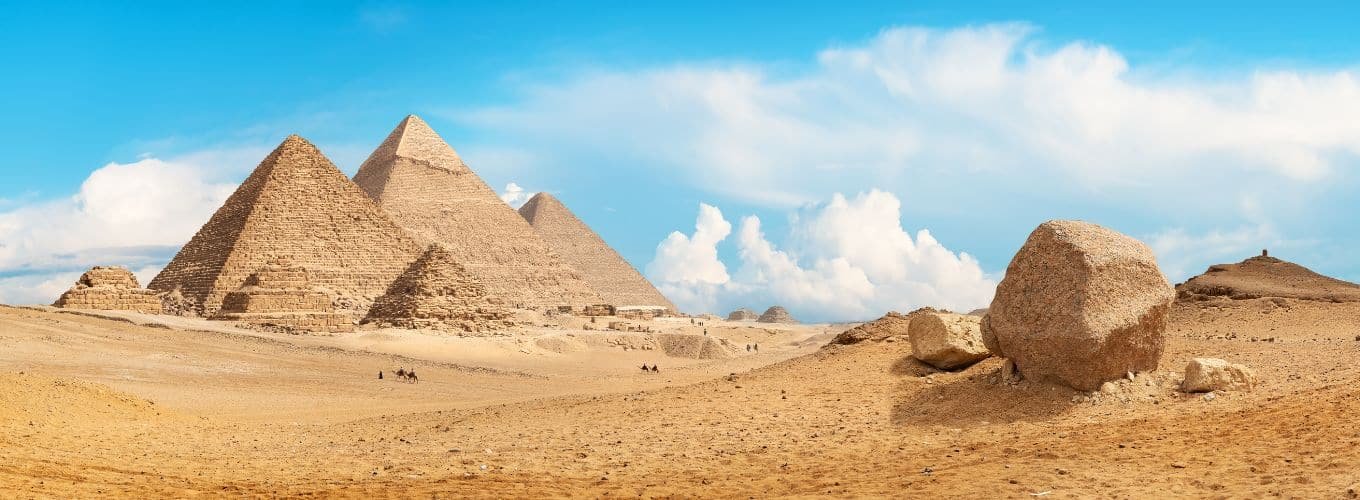
Get ready for a well-paced, practical plan that helps you see the country’s top highlights without constant rush. This guide maps a clear route: start in the capital, fly south for Nile-side wonders, visit Abu Simbel, then head north through Kom Ombo, Edfu, and Esna to the ancient city at the river’s heart.
This itinerary focuses on real-world timing, smart hotel picks, and simple transport choices so you can enjoy iconic sites like the pyramids, major temples, and a serene felucca ride at sunset.
You’ll find daily plans that say what to do and how long to spend, plus options to swap an overland leg for a Nile Cruise. Seasonal tips, visa pointers, and budget moves help make planning easier for your next trip.
Key Takeaways
- Follow a step-by-step route to hit must-see sites while keeping leisure time.
- Balance temple visits and downtime with suggested pyramid-view and Nile-view hotels.
- Choose flights, private drivers, or a cruise based on comfort and timing.
- Each day shows realistic durations and transport guidance.
- Extras include Red Sea, Alexandria, or Siwa add-ons if you extend your journey.
Why This Ultimate Guide Works for a 10-Day Egypt Trip

This guide shows how to stack major sites into efficient blocks so you get the most out of each day. It uses a field-tested route: arrival, a full Giza and GEM day, Old Kingdom sites then a quick flight south, followed by Nile highlights, Abu Simbel, and Luxor’s twin banks.
Smart timing means early starts at pyramids giza, shorter transfers, and less time stuck in traffic. You’ll see practical pairing advice—when to visit the museum, how to pair the Valley of the Kings with nearby temples, and when a flight saves hours.
- Follow a proven egypt itinerary that clusters nearby sites to save travel time.
- Choose independent drivers plus an Egyptologist or a hands-off tour—both work.
- Built-in rest windows stop sightseeing from becoming exhausting.
| Focus | Why it helps | Typical time saved | Best option |
| Clustered sites | Shorter transfers, less backtracking | 2–4 hours per city | Private driver |
| Early starts | Fewer crowds, cooler temps | 1–2 hours extra exploring | Start at dawn |
| Flight legs | Reclaims full touring days | 4–6 hours vs. road | Short domestic flights |
| Guide option | Contextual history without long lectures | Saves time on planning | Private Egyptologist |
Best Time to Visit Egypt for This Itinerary
Timing your trip matters. The best time to plan is between October and April when temperatures are mild and outdoor sightseeing is far more pleasant.
October often delivers cooler days and fewer crowds, making it a smart pick if you want comfort without peak-season prices.
- December and January bring very comfortable weather, but expect larger crowds and earlier booking requirements.
- Summer can be extreme — temps may hit 122°F — so avoid full outdoor days then when possible.
- Ramadan and national holidays change opening hours, so check schedules and start major visits at opening.
Shoulder months give you better rates and easier access to top guides and hotels. Cooler seasons also increase your odds for clear skies on sunrise activities like balloon flights. If you have limited days, begin marquee sites early to beat heat and lines.
| Period | Weather | Crowds & Notes |
| Oct–Nov | Warm to mild | Great balance of comfort and lighter crowds |
| Dec–Jan | Cool and pleasant | Peak season; book hotels and guides early |
| Jun–Aug | Very hot | Not ideal for long outdoor days |
Ultimately, the best time visit is the one that fits your schedule. Use the October–April window to optimize comfort, reduce fatigue, and enjoy the country’s deep history with minimal heat issues.
Visas, Safety, and Essentials Before You Go
A few smart prep steps on visas, tipping, and what to pack will save time and stress on your trip. Check visa rules early: a 30-day visa is available on arrival for $25 or you can apply online — aim to apply at least seven days before departure at the latest. Also keep a printed copy of your passport and insurance.
Carry small bills for routine tips and paid restrooms. Budget daily for drivers ($2–4), restaurants (10–15%), and guides or cruise staff ($4–6 per person/day). Many bathrooms charge and may not supply toilet paper, so pack tissues and hand sanitizer.
- Dress modestly — cover shoulders and knees; bring a scarf for mosque visits when asked.
- Haggle at markets and use a friendly “la shukran” to decline offers.
- Hire a local guide/Egyptologist to smooth your days, manage touts, and explain major sites.
- Use reputable transportation: pre-arranged drivers for day trips, or Uber and hotel taxis at the airport and in cities.
| Item | Typical cost | Quick tip |
| Visa (30-day) | $25 | Apply online 7+ days before |
| Driver tip | $2–4/day | Small bills ready |
| Guide / cruise staff | $4–6 pp/day | Pre-agree tipping policy |
How to Get Around: Flights, Drivers, and the Nile River Cruise Option
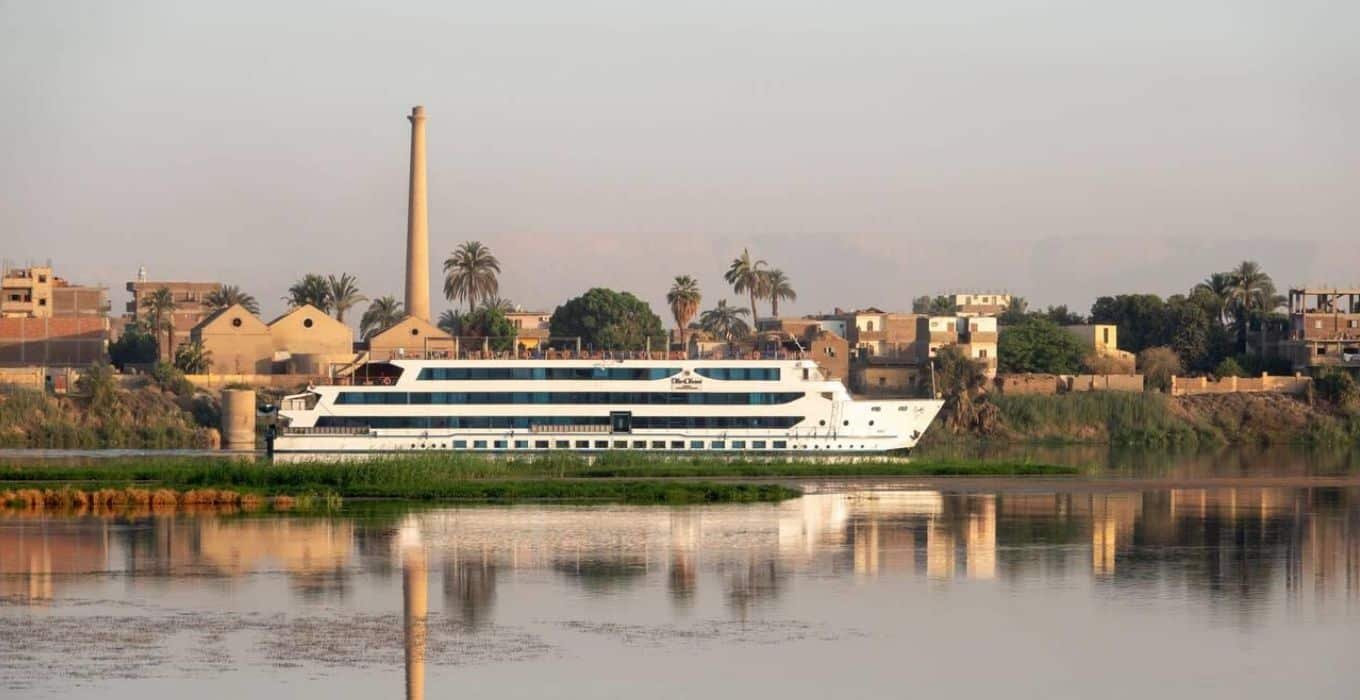
How you move between sites shapes every day—pick flights for speed, drivers for flexibility, or a cruise for relaxed pacing.
Air segments save precious time: a flight from Cairo to Aswan takes about 1.5 hours and frees up full touring days. Factor in airport security and transfers when planning same‑day museum visits.
Private drivers work best for flexible touring. Pair a driver with an Egyptologist guide for richer context and smoother logistics on complex routes.
- Overland via highway: Aswan to Luxor is just over three hours.
- Scenic way: the Kom Ombo, Edfu, and Esna route stretches to roughly 9.5 hours with stops—plan a full day.
- Cruise option: 3–7 night Nile River cruises run between Aswan and Luxor, include guided stops and meals but offer less timing flexibility.
| Mode | Typical time | Best for |
| Air | ~1.5 hrs (Cairo–Aswan) | Save time, more touring |
| Driver | 3+ hrs (Aswan–Luxor) | Flexible, cost‑effective |
| Cruise | 3–7 nights | Unpack once, relaxed tour |
If you get motion sick, sit toward the front, carry water and snacks, and prebook transport for airport-to-hotel legs in cities.
Where to Stay: Cairo, Aswan, and Luxor Hotels with Iconic Views
Choose hotels with memorable outlooks so each morning starts with an iconic view. The right lodging turns downtime into part of the experience.
Giza options: Marriott Mena House pairs five-star comfort with breakfast facing the pyramids. For wallet-friendly stays, Pyramids View Inn and Great Pyramid Inn give rooftop terraces and direct sightlines.
Aswan picks: Sofitel Legend Old Cataract is the classic luxury choice with sweeping nile river scenery. Movenpick on Elephantine Island offers a shuttle boat; ask for recently updated rooms. For local charm, Nuba Dool Guest House has friendly service and river terraces.
Luxor choices: Sofitel Winter Palace blends old-world character with central access to temples. Hilton Luxor Resort & Spa delivers calm river panoramas and sunrise balloon views. Budget travelers can base at Nile Castle on the West Bank for quick temple access.
- Book early in peak months to lock room types with the views you want.
- Confirm balcony or terrace categories when you reserve to guarantee outlooks.
- Pick a hotel location that saves time between sites so your sightseeing days feel relaxed.
| Type | Example | Best for |
| Luxury | Marriott Mena House / Old Cataract | Iconic panoramas, refined dining |
| Mid-range | Movenpick / Hilton Luxor | Comfort with strong river views |
| Budget | Pyramids View Inn / Nile Castle | Rooftop terraces, easy access |
Day One: Arrive in Cairo, Settle In, and Rest
Arrive, unwind, and plan a gentle first night so you can attack tomorrow’s big sites refreshed. Land, clear the airport, and expect a transfer that can take an hour or more when traffic is heavy.
If you’re staying in Giza, pick a pyramid-view hotel like Marriott Mena House, Pyramids View Inn, or Great Pyramid Inn when possible. Nothing beats spotting the pyramids from your balcony after a long flight.
Keep the evening low-key: grab a quick dinner near your hotel, hydrate, and adjust to the local time. Confirm your pickup time for the morning so you can arrive early at the Great Pyramid.
- Stay close to your hotel for a short first walk—streets can be overwhelming.
- Have cash ready for tips, water, and small essentials.
- Lay out sun protection and comfortable shoes for a big walking day.
| Action | Why it helps | Quick tip |
| Transfer | Allow extra time | Expect 60+ minutes in heavy traffic |
| Hotel choice | Save energy, better views | Request balcony/pyramid view |
| Morning pickup | Beat crowds | Set alarm and confirm with desk |
Pyramids of Giza, Great Sphinx, and the (GEM) Museum Day
Start your landmark day early to catch soft light on the plateau and avoid midmorning crowds. The Giza Plateau opens 7 am–5 pm; aim to arrive by 8 am and allow at least three hours to explore the pyramids giza properly.
Take in the Great Sphinx and the great pyramid from key viewpoints across the plateau for classic photos. If you’re comfortable with tight, steep passages, consider going inside a pyramid for a unique perspective.
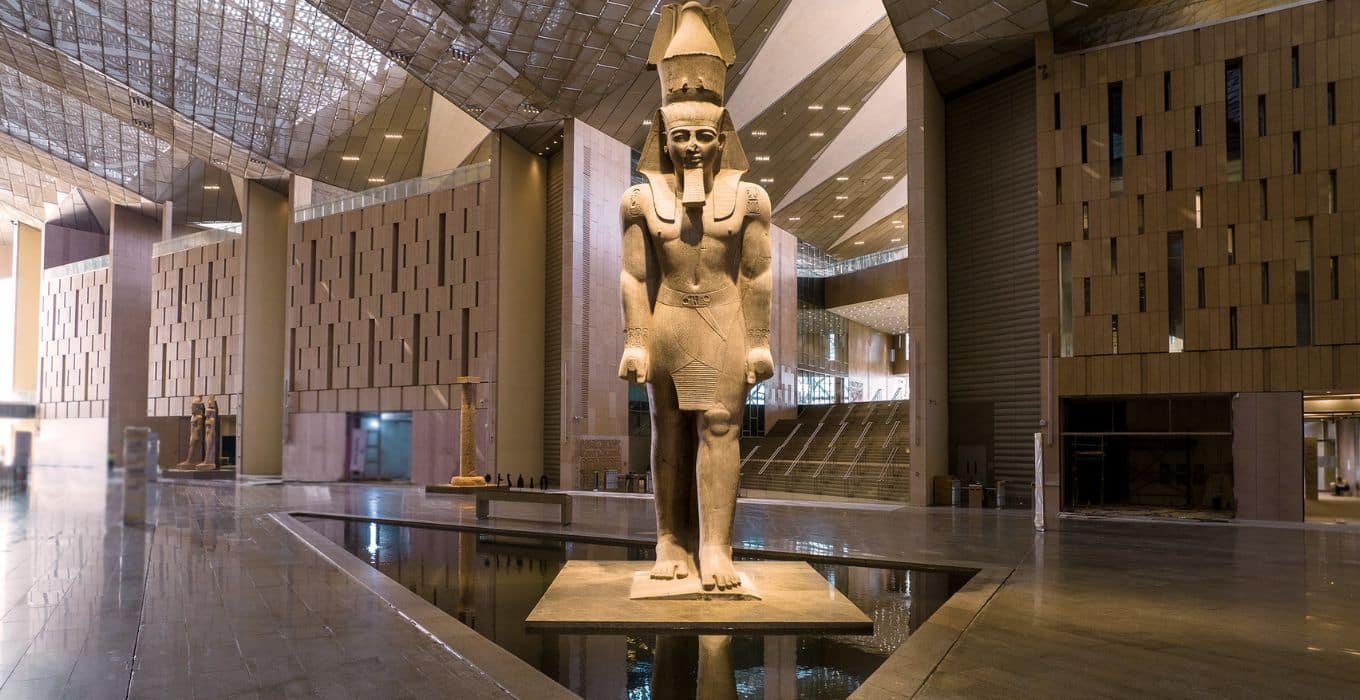
By midday, head to the GEM museum and budget around two hours. Highlights include Tutankhamun’s relics; note royal mummies are now on display at NMEC.
- Expect lines to swell by late morning—prearranged transport helps save time.
- Carry water and wear supportive shoes; this is one of the longest walking days in the world’s most famous archaeological areas.
- Hire a licensed guide to add history and streamline navigation.
| Site | Suggested time | Tip |
| Giza Plateau | 3+ hours | Arrive by 8 am for sunrise photos |
| Egyptian Museum | ~2 hours | See Tutankhamun highlights |
| Cairo Tower (optional) | 1 hour | Walk across the Nile for sweeping city views |
Wrap up near sunset or after dinner so you’re rested—tomorrow moves deeper into early pyramid history.
Dahshur, Memphis, and Saqqara: Old Kingdom Wonders, Then Fly to Aswan
Begin with Dahshur’s radical pyramid shapes, move on to Memphis’s monumental statuary, and close at Saqqara before heading to the airport.
What to see: At Dahshur the Bent and Red Pyramids date to ~2613–2589 BC. You can enter both via steep tunnels if you’re comfortable with low, narrow spaces.
Next, visit Memphis’ open‑air museum. Stand beside the alabaster sphinx and the colossal statue of Ramses II for dramatic photos and scale.
Finish at Saqqara to admire the Step Pyramid of Djoser—the oldest large stone complex and a key piece of architectural history.
- Plan 3–4 hours to cover all three sites, plus driving time between them.
- If you have back or knee issues, skip pyramid interiors—tunnels are steep and tight.
- Keep snacks, water, and sun protection handy; shade is limited at the sites.
Timing tip: From Saqqara allow about 1.5 hours to reach the airport, traffic dependent. Book an early‑evening flight south (about 1.5 hours air) so you arrive in time to relax by the river.
| Stop | Highlight | Suggested time | Notes |
| Dahshur | Bent & Red Pyramids; enter via tunnels | 45–60 minutes | Steep, low passages—avoid if claustrophobic |
| Memphis | Alabaster sphinx; Ramses II statue | 30–45 minutes | Open‑air museum; great for photos and scale |
| Saqqara | Step Pyramid of Djoser; oldest stone complex | 60–90 minutes | Rich architectural history; limited shade |
Aswan Highlights: Philae Temple, Unfinished Obelisk, and a Sunset Felucca
Plan a relaxed day that blends river charm, ancient stonework, and a slow sail at dusk. Start with a short boat trip across the nile river to visit Philae Temple on Agilkia Island, where carved reliefs and towering columns reward an easy walk.
Next, head to the granite quarry to see the Unfinished Obelisk and learn how massive monuments were carved from bedrock. The scale makes for memorable photos and clear context for later temple visits.
- Save the felucca for golden hour—this simple sail is one of the most peaceful experiences along the nile river and offers unbeatable views.
- Consider the Nubian Museum or a boat trip to a Nubian Village for local culture, shopping, and cafés.
- Hire a guide to hear stories about Philae’s relocation and iconography; a guide enriches the day and saves time.
| Stop | Suggested time | Tip |
| Philae Temple | 1.5–2 hrs | Boat arrival; bring sun protection |
| Unfinished Obelisk | 30–45 mins | Great for scale and photos |
| Sunset Felucca | 1 hr | Reserve the late slot for calm light |
For lunch or a drink with views, reserve The Terrace at the Sofitel Old Cataract; for a relaxed dinner try Al Dokka. Return to your hotel after a full but unhurried day so you’re ready for tomorrow’s longer trip.
Abu Simbel Day Trip: Plane vs. Road and How to Do It Right
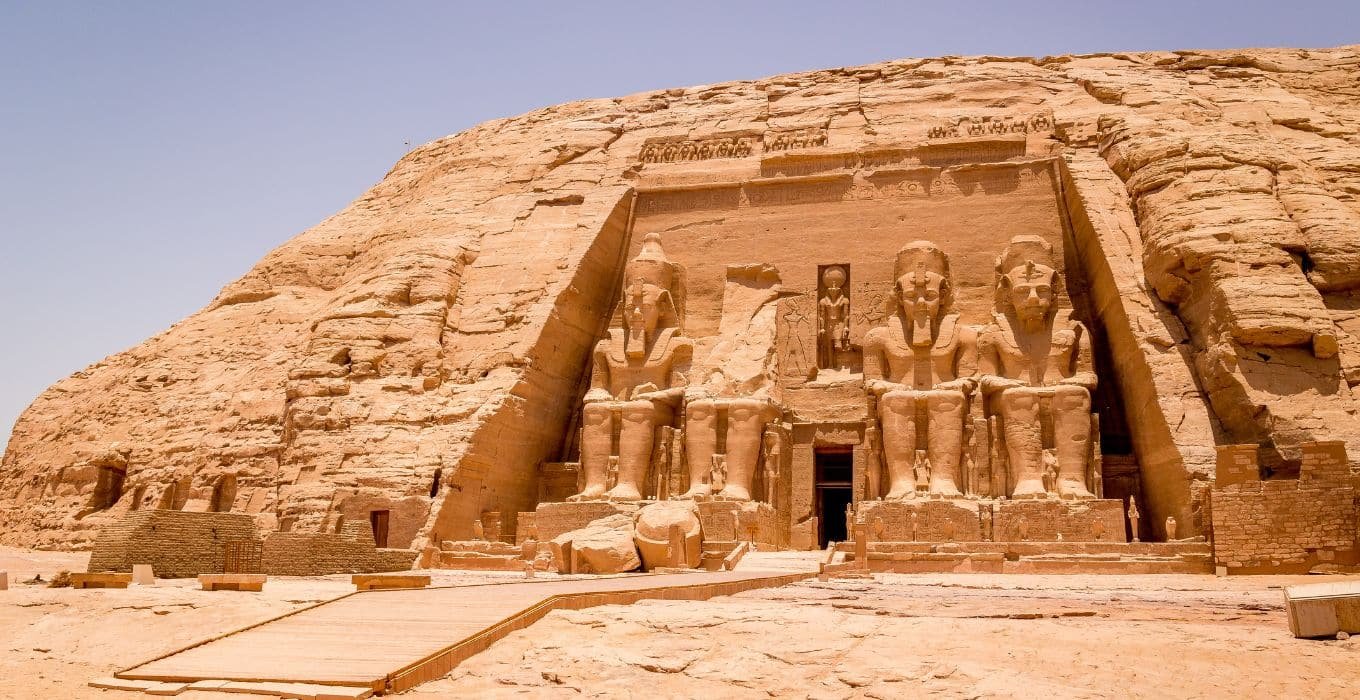
Choosing between flying and driving to Abu Simbel is the core decision for this day. Flights are the quickest way and save time at the site, but seats are limited and sell out fast. Driving is cheaper, flexible, and gives you roadside views en route.
The temples sit near the Sudan border on Lake Nasser and were famously moved in the 1960s to avoid flooding from the Aswan High Dam. Expect about 2.5–3 hours each way by road, so plan an early departure to beat crowds and heat.
- Arrive early for softer light and fewer people on the facade.
- Book a licensed guide or a small tour so logistics and storytelling are seamless.
- Bring supportive shoes, water, sun protection, and snacks for the journey.
- If you fly, double‑check return times—limited schedules can affect your afternoon back in town.
| Option | Travel time | Best for |
| Plane | ~40–60 mins flight | Save time, brief visit |
| Road | 2.5–3 hrs each way | Budget, scenic, flexible |
| Both | Plan early start | Return mid‑afternoon to relax |
Photographers and early risers get the best shots. If you’re prone to motion sickness, sit forward and keep snacks handy for the road. A little planning makes this journey one of the most memorable days of your trip.
Scenic Transfer to Luxor via Kom Ombo, Edfu, and Esna
If you prefer depth over haste, the Kom Ombo–Edfu–Esna drive links three standout monuments along a single river corridor. This scenic aswan luxor route trades a 3‑hour highway sprint for a roughly 9.5‑hour day filled with stops and stories.
Start at Kom Ombo—a rare double temple honoring Sobek and Horus. Visit the Crocodile Museum next door to see preserved specimens and learn about local cults.
Next, head to Edfu, home to one of the best‑preserved Ptolemaic temple complexes. You’ll walk tall courtyards and crisp reliefs that reward careful viewing.
Finish at Esna to descend into Khnum’s temple, set about nine meters below street level. Recent cleaning has revealed vivid ceiling reliefs—bring a hat and modest light if you want photography.
- The full tour runs around 9.5 hours including driving and visits—pack snacks, water, and sun protection.
- Similar stops appear on many Nile river cruises, but an overland journey gives you more control over how long you linger.
- Carry small cash for restrooms and tips; facilities vary by site.
| Stop | Highlight | Typical time |
| Kom Ombo | Double temple; Crocodile Museum | 60–75 minutes |
| Edfu | Ptolemaic Temple of Horus | 90–120 minutes |
| Esna | Khnum temple below street level | 45–60 minutes |
Arrive in Luxor by evening and check into your hotel for a three‑night stay. If you have energy, book dinner near the river and rest early—tomorrow focuses on the West Bank tombs and mortuary temples. Confirm road conditions and opening times with your driver the night before to keep the day on track.
Luxor’s West Bank: Valley of the Kings, Hatshepsut, Medinet Habu
Start early on the West Bank to let quiet light reveal carved details inside royal tombs. Arrive at the Valley of the Kings at first opening, choose three tombs with the main ticket, and consider add-ons like Seti I or Tutankhamun if available.
Plan about 2–3 hours here when you add extra chambers. Bring water and sunscreen—shade is minimal. Hire a local guide to help pick the best tombs open that day and to explain the rich history inside each burial chamber.
- Visit the terraced Mortuary Temple of Hatshepsut at Deir el‑Bahri for striking symmetry against the cliffs.
- Explore Medinet Habu’s large courtyards and vivid reliefs, including scenes of Ramesses III and the Sea Peoples.
- Consider a sunrise hot air balloon for aerial views of the West Bank—book well ahead; it’s a popular option.
| Stop | Suggested time | Tip |
| Valley of the Kings | 2–3 hrs | Main ticket = 3 tombs; add Seti I/Tutankhamun as extras |
| Hatshepsut | 45–60 mins | Terraced temple, great photos |
| Medinet Habu | 45–60 mins | Vivid reliefs; quieter than peak spots |
Carry small change for cart shuttles and tips. Pace yourself—this is a full, history‑rich day across several sites with limited shade.
Luxor’s East Bank: Karnak, Luxor Temple, and Evening Magic
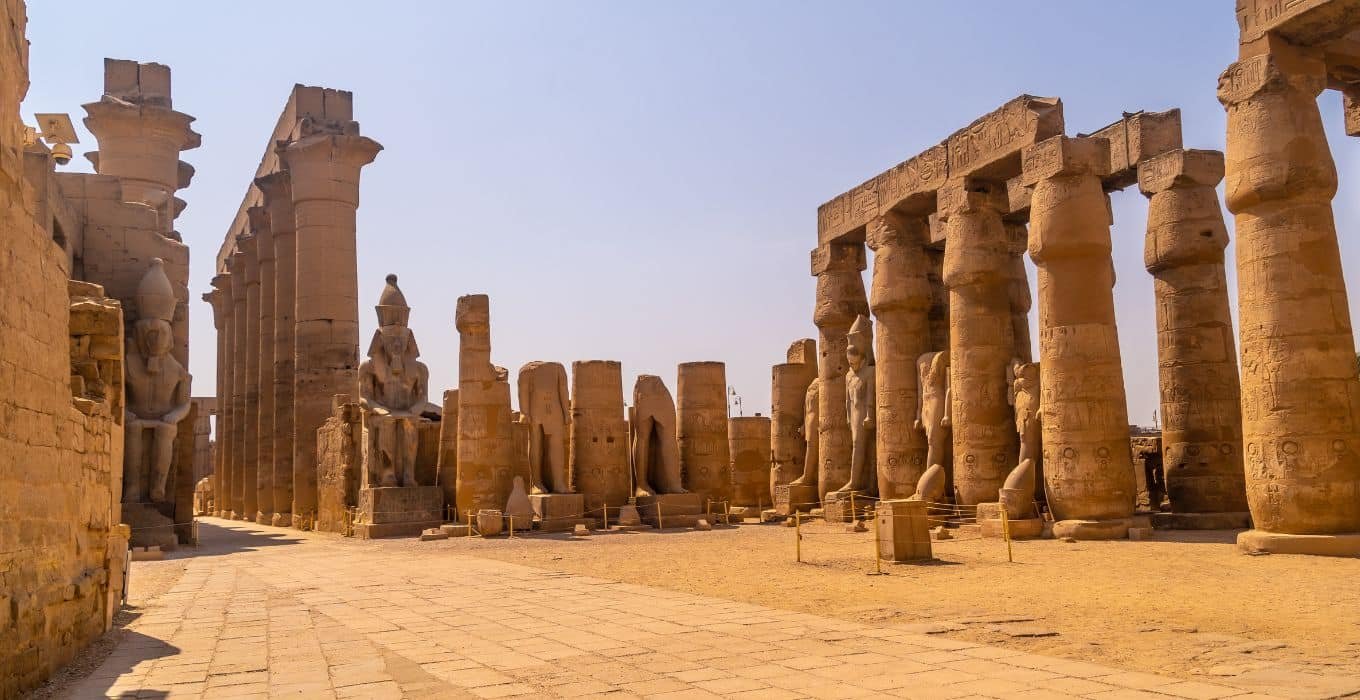
Start the morning among monumental columns and end it beneath soft floodlit pylons. Spend the first part of your day at karnak temple, where the Great Hypostyle Hall’s 134 columns create an awe-inspiring forest of stone.
Walk the Open Air Museum to see reconstructed chapels and clearer context for the reliefs. Pause at the avenue of sphinxes and the sacred lake for classic photos and quieter moments.
Take a relaxed lunch on the nile river or at a nearby café with views before your afternoon session. History lovers should linger in side chapels and smaller courts to uncover layered stories.
If you plan a hot air balloon, schedule the air balloon over the West Bank at sunrise, then tour the East Bank later in the day to avoid overlap. Use shade breaks and hydrate often to stay comfortable.
- Tip: Hire a licensed guide to bring inscriptions and layout to life.
- Photo moment: Finish at luxor temple during blue hour for dramatic, golden-light shots.
| Stop | Suggested time | Why it matters |
| Karnak Temple | 2–3 hrs | Great Hypostyle Hall, Open Air Museum, side chapels |
| Lunch by the Nile | 45–60 mins | Rest, views, readjust before evening visit |
| Luxor Temple | 1–1.5 hrs | Night lighting, blue-hour photos, evening atmosphere |
Egypt Travel Itinerary: 10 Days Covering Cairo, Luxor & Aswan — Alternative with a Nile Cruise
If you want to unpack once and relax, a Nile cruise is a smart alternative that blends comfort with curated shore visits. A typical 3-night sailing links Aswan to Luxor and handles logistics so you can enjoy the river.
What to expect: Most short cruises include Philae Temple and the Unfinished Obelisk in Aswan, then stop at Kom Ombo and Edfu en route. Ships provide meals, cabins, and scheduled guided tours led by onboard Egyptologists.
The cruise option keeps the rest of your Egypt itinerary intact while moving your overland Day 6 into the boat schedule. Deck time is great for photography—palm-lined shores and village life make easy subjects.
- Unpack once: cabins replace daily hotel moves.
- Meals and tours included: less planning, steady pace.
- Longer options (4–7 nights) add depth if you have extra days egypt.
| Feature | Typical 3-night | Best for | Notes |
| Stops | Philae, Unfinished Obelisk, Kom Ombo, Edfu | Sightseeing with minimal transfers | Guided shore tours included |
| Comfort | Meals, cabin, deck views | Unpack once, relax onboard | Good for photographers and leisure |
| Flexibility | Set schedule | Less DIY time | Overland allows longer site stays |
| Duration options | 3–7 nights | Short or deeper exploration | Confirm docking and included tours |
Decide based on your comfort, desire for spontaneity, and how many guided shore visits you want. Either approach—overland or cruise—lets you reach major sites and enjoy the river’s slow rhythm on your trip.
Add-Ons If You Have More Time: Red Sea, Alexandria, or Siwa Oasis
If you can add extra time to your schedule, a few nearby side trips turn a good plan into a great one. For easy beach days head for the Red Sea resorts like El Gouna or Hurghada for snorkeling and kitesurfing.
Plan the logistics: El Gouna sits about a 3.5–4 hour road journey from Luxor, while Hurghada connects by regional flights from major hubs. Book your hotel early in peak months and check which dive trips leave from your chosen port.
Alexandria gives a seaside, Greco‑Roman twist and short coastal walks. Siwa Oasis demands commitment — drive time is long, so add at least days Egypt to make the detour worthwhile. The best time visit for these add‑ons remains the cooler months for comfy touring.
- Choose one add‑on and do it well rather than rush multiple spots.
- Arrange vetted drivers through your hotel for long transfers if you travel independently.
- Carry warm layers for desert nights — the country cools fast after sunset.
| Add‑On | Main Appeal | Travel Time from Luxor | Recommended Stay |
| El Gouna | Snorkeling, kitesurfing, resorts | 3.5–4 hrs by road | 2–3 nights |
| Hurghada | Diving trips, resorts | Flight connections from hubs | 2–3 nights |
| Alexandria | Seaside history, museums | Short add‑on from Cairo | 1–2 nights |
| Siwa Oasis | Desert salt lakes, palm groves | ~9 hrs drive from Cairo | 2–3 nights |
Smart Budget and Time-Saver Tips for Egypt

A few practical habits cut waiting time and stretch your sightseeing without extra cost. Start marquee sites at opening to beat lines and midday heat. Giza opens at 7 am—arrive early and you’ll reclaim hours across your whole plan.
Hire a licensed guide and private driver for complex days. Their local know‑how speeds navigation, handles permits, and improves the overall tour experience.
- Prebook tight flights like Abu Simbel and your domestic legs in peak months to avoid sold‑out fares.
- Carry small bills for tips, restroom fees, and snacks so you move faster and avoid delays hunting for change.
- Group nearby sites—do the plateau and the main museum on the same day with timed transport to reduce backtracking.
- When possible, buy tickets online or have your guide queue while you rest and hydrate.
Wear supportive shoes, a hat, and sunscreen; these basics change how many hours you can comfortably spend outdoors. For long road transfers—like the scenic Aswan–Luxor route—pack water, snacks, and small change for stops.
| Tip | Why it saves time | Best use |
| Early starts | Fewer crowds, cooler temps | Major monuments and museums |
| Licensed guide + driver | Smoother logistics, faster access | Complex multi-site days |
| Overland vs flight | Choose fastest way to regain touring hours | Flights for long legs; overland for scenic, site-rich transfers |
If you’re on a strict budget, prefer overland transfers and prioritize a few premium tombs or temple add-ons rather than every available extra. Small planning moves add up and make your visit far more rewarding.
Conclusion
Here’s a compact wrap-up to help you lock in logistics and focus on the moments that matter most.
You now have an Egypt itinerary that balances iconic sites and restful pacing. From the pyramids and the GEM museum to Abu Simbel and Luxor’s tombs, the plan maps each main stop so your trip flows without rush.
Decide whether to travel overland or add a short cruise, then lock in flights and a trusted guide. Pick hotels with the views that matter and build buffer time into transfers so each day Egypt stays smooth.
With simple prep, smart starts, and steady hydration, you’ll enjoy the best of this country. Pack curiosity and your camera—this journey will stay with you long after you return home.