
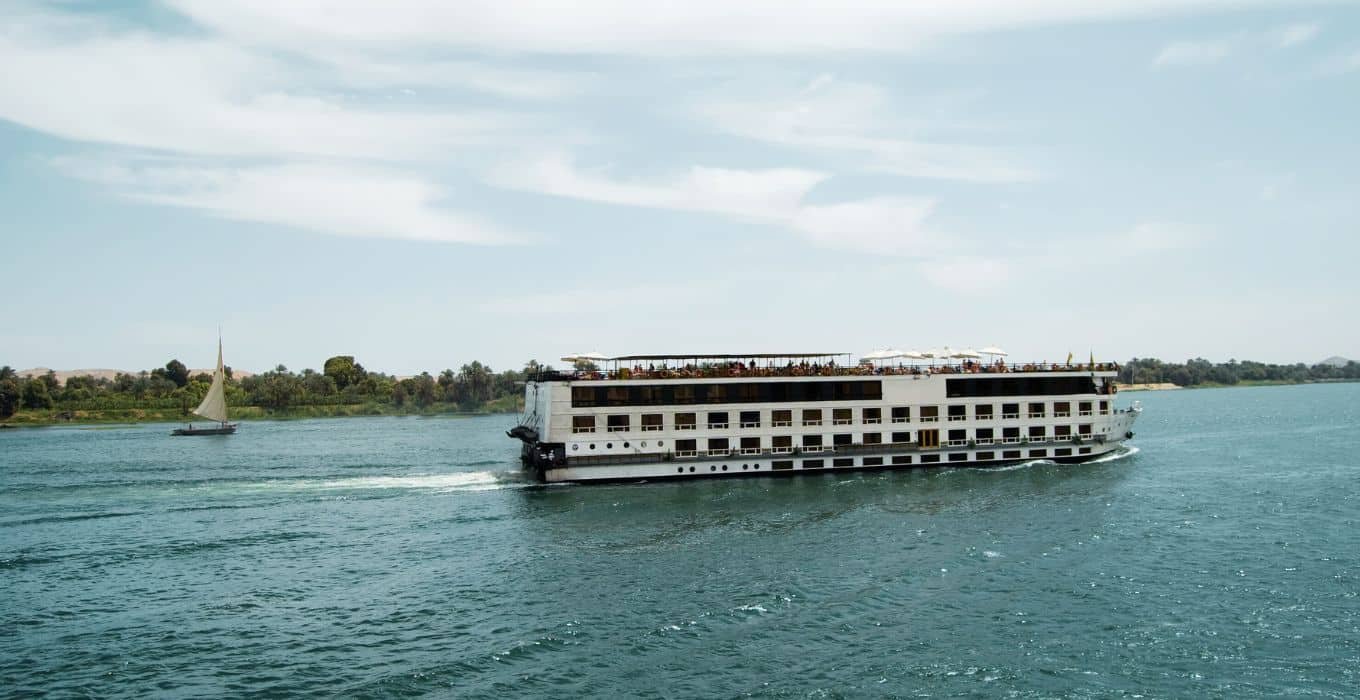
Planning your river voyage can feel overwhelming. This short guide makes the decision simple and practical. You’ll match available days with common route lengths and learn what each option covers. Most trips start in Upper Egypt, often Luxor or Aswan, and visit highlights like Philae, Kom Ombo, Edfu, Karnak, and Luxor Temple.
Expect clear choices: short trips hit essentials, longer runs add sites such as Dendera or Abydos, and an optional Abu Simbel excursion. Peak season runs from October through April for mild weather; summer brings heat, lower prices, and fewer crowds.
Budget matters. Five-star fares often begin near $150 per day and usually include three meals plus guided shore excursions. You’ll also weigh direction (Aswan-to-Luxor, Luxor-to-Aswan, round-trip), ship style, cabin location, and travel logistics like flights or sleeper trains to your start point.
Key Takeaways
- Match your days with common route lengths to fit your calendar.
- Short trips cover must-sees; longer ones add extras and optional Abu Simbel.
- Travel season affects comfort, crowds, and price.
- Expect basic inclusions: meals and guided shore visits; budget for extras.
- Ship type and cabin choice shape the onboard vibe and comfort.
Start Here: Your How-To Roadmap to Picking a Nile River Cruise That Fits You

Start by matching your available days with common route lengths and must-see sites. A short option covers key temples and tombs. A mid-length path gives a relaxed pace. A full week opens access to deeper Upper Egypt stops.
Pick your direction and ship style. Departures usually begin in Luxor or Aswan. Leaving Luxor first gives extra time in the valley. Starting in Aswan can set up an early Abu Simbel visit. Modern vessels offer pools and suites, while dahabiya sailing is calm and intimate.
- Decide how many nights you can spare and the pace you prefer.
- Weigh group size: larger ships mean more facilities; smaller boats feel personal.
- Match must-see sites with route length—opt for a longer run if Dendera or Abydos matter.
Factor in seasonality, arrival logistics like domestic flights, and your budget for tips or extras. Use this short roadmap to shortlist two or three options you can compare side-by-side for comfort and fit on your journey.
Who Each Cruise Length Is Best For: 3, 4, and 7 Nights at a Glance
Decide whether you prefer a fast-paced highlights run or a leisurely, deeper exploration. A short option runs from Aswan toward Luxor and hits big names: High Dam, Philae, Kom Ombo, Edfu, Karnak, and Luxor Temple.
If you have a little more time, a mid-length route adds West Bank sites like the Valley of the Kings, Hatshepsut, and Colossi of Memnon. This gives a gentler pace and more optional rest between tours.
For a full immersion, the week-long path covers those stops and often extends to Dendera or Abydos. You’ll gain extra downtime, more photography light, and the chance for an Abu Simbel excursion from Aswan.
- Short stay: Best for tight schedules and structured days ashore.
- Mid stay: Good for first-time visitors seeking balance.
- Long stay: Ideal for repeat visitors, families, and photographers.
| Length | Typical Route | Main Highlights | Who It Fits |
| Short | Aswan ↔ Luxor | High Dam, Philae, Kom Ombo, Edfu, Karnak, Luxor Temple | Busy travelers, solo guests wanting structure |
| Mid | Aswan ↔ Luxor with West Bank | All short highlights plus Valley of the Kings, Hatshepsut | First-time visitors, couples wanting comfort |
| Long | Luxor loop or Luxor↔Aswan extended | Mid highlights plus Dendera or Abydos; optional Abu Simbel | Families, photographers, repeat travelers |
What You’ll See on a 3-Night Nile Cruise from Aswan to Luxor
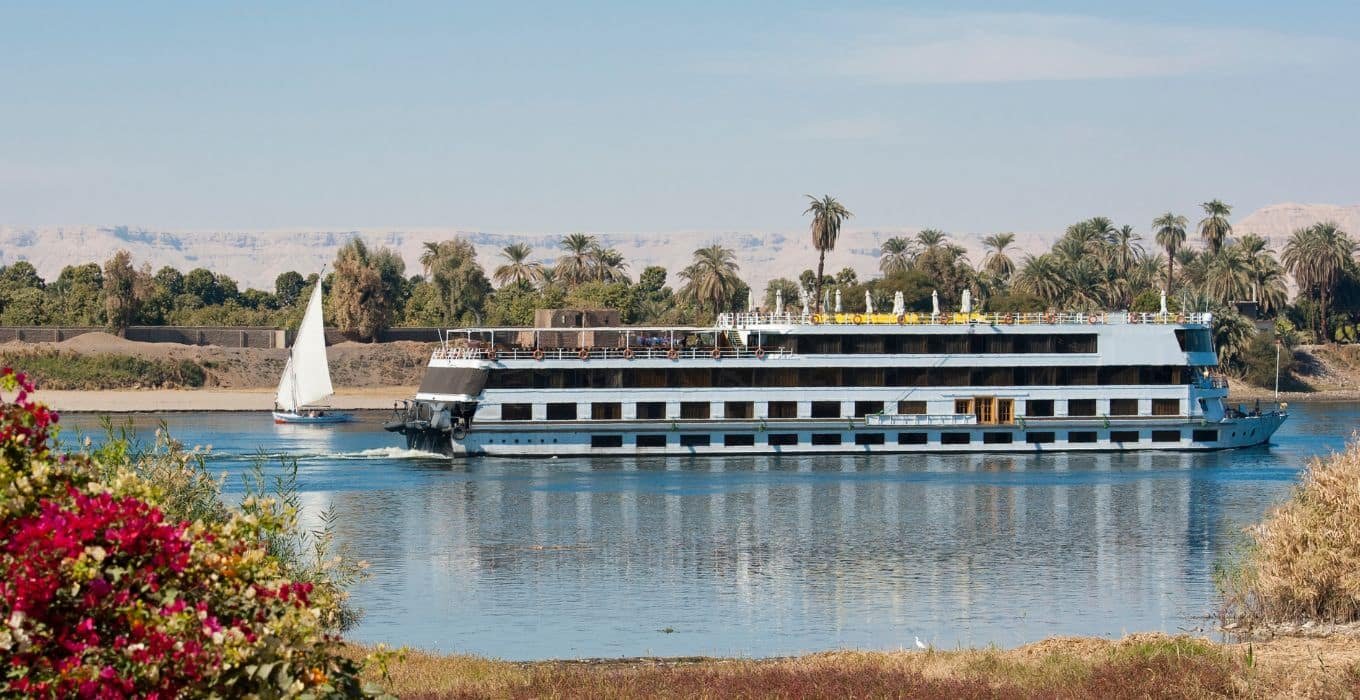
A short Aswan→Luxor run gives you a fast, packed primer on Upper Egypt’s top antiquities. You begin in Aswan with guided stops at the High Dam, the island Philae complex, and the Unfinished Obelisk to set historical context.
Next you sail north and call at Kom Ombo for the twin-deity temple of Sobek and Horus. An evening arrival makes the visit crisp but memorable.
Onward to Edfu where you explore the Temple of Horus, one of Egypt’s best-preserved monuments. Many guests reach this site by carriage or coach for a short land transfer.
Arrival in Luxor closes the run with Karnak and Luxor Temple, often visited as dusk softens the stone. Expect early starts and tight windows at each stop; plan priorities before each tour.
- Enjoy river views from the sun deck between ports.
- West Bank highlights like the Valley of the Kings are usually omitted on a short schedule.
- Consider an Abu Simbel excursion from Aswan before boarding if your plan allows.
- Pack a simple day bag: sun protection, water, and light layers.
| Segment | Main Visits | Notes |
| Aswan start | High Dam, Philae, Unfinished Obelisk | Guided context for Upper Egypt |
| Kom Ombo | Temple of Sobek and Horus | Evening stop; twin-deity layout |
| Edfu | Temple of Horus | Well-preserved; short land transfer |
| Luxor finish | Karnak, Luxor Temple | Best at dusk; monument-packed finale |
What You’ll See on a 4-Night Nile Cruise from Luxor to Aswan
A four-night run from Luxor toward Aswan offers a steady pace with time for both major temples and quieter corners. You spend a day and a half in Luxor, covering East Bank highlights like Karnak’s Hypostyle Hall and Luxor Temple’s grand colonnades.
Then cross to the West Bank for the Valley kings, the Temple of Hatshepsut at Deir el-Bahari, and the Colossi of Memnon. These visits are paced so you can absorb details without rushing between sites.
After Luxor you sail south, stopping at Edfu to explore the Temple of Horus. The voyage continues to Kom Ombo with its rare double design. Arrival in Aswan brings the High Dam and the romantic Temple of Philae on Agilkia Island.
This cruise blends guided tours, onboard meals, and scenic deck time between ports. You’ll find a calmer daily rhythm than on a shorter trip. Consider an early Abu Simbel excursion from Aswan if your schedule allows. Build in free time for markets or a felucca ride near Aswan.
- Dedicated Luxor time for East + West Bank exploration
- Sail stops at Edfu and Kom Ombo for key temples
- Aswan visits: Philae and the High Dam
- Relaxed cadence ideal for first-time travelers
| Segment | Main Visits | Notes | Best For |
| Luxor | Karnak, Luxor Temple, Valley kings, Hatshepsut | Day-and-a-half stay; East and West Bank tours | First-time visitors |
| En route | Edfu (Temple of Horus), Kom Ombo | Gentle sailing; scenic deck time | Leisurely sightseeing |
| Aswan | Philae, High Dam | An optional Abu Simbel excursion is available | Photography and culture lovers |
What You’ll See on a 7-Night Nile Cruise (Luxor-Luxor)
A full-week river run lets you slow down and study Egypt’s layered past, day by day.
You get full East and West Bank coverage in Luxor, including the valley kings and major temples with extra time for detail and photos.
Ships often add less-visited gems such as Dendera or Abydos. Classic stops at Edfu and Kom Ombo return with room for deeper interpretation.
- Aswan visits include Philae and the High Dam, with an optional Abu Simbel excursion.
- Longer sail segments let you watch riverside life and relax on deck.
- Built-in recovery days help you stay fresh across a busy week.
| Feature | What You See | Why It Matters |
| Luxor focus | Valley Kings, Karnak, Luxor Temple | Deeper study of royal tombs and grand temples |
| Extended stops | Dendera, Abydos | Less-crowded archaeology and unique reliefs |
| Classic route | Edfu, Kom Ombo, Aswan | Iconic temples plus optional Abu Simbel add-on |
This Nile River cruise-style itinerary suits travelers who want immersion, minimal packing, and more time ashore on every leg of the journey.
Best Time to Cruise the Nile: Weather, Crowds, and Prices
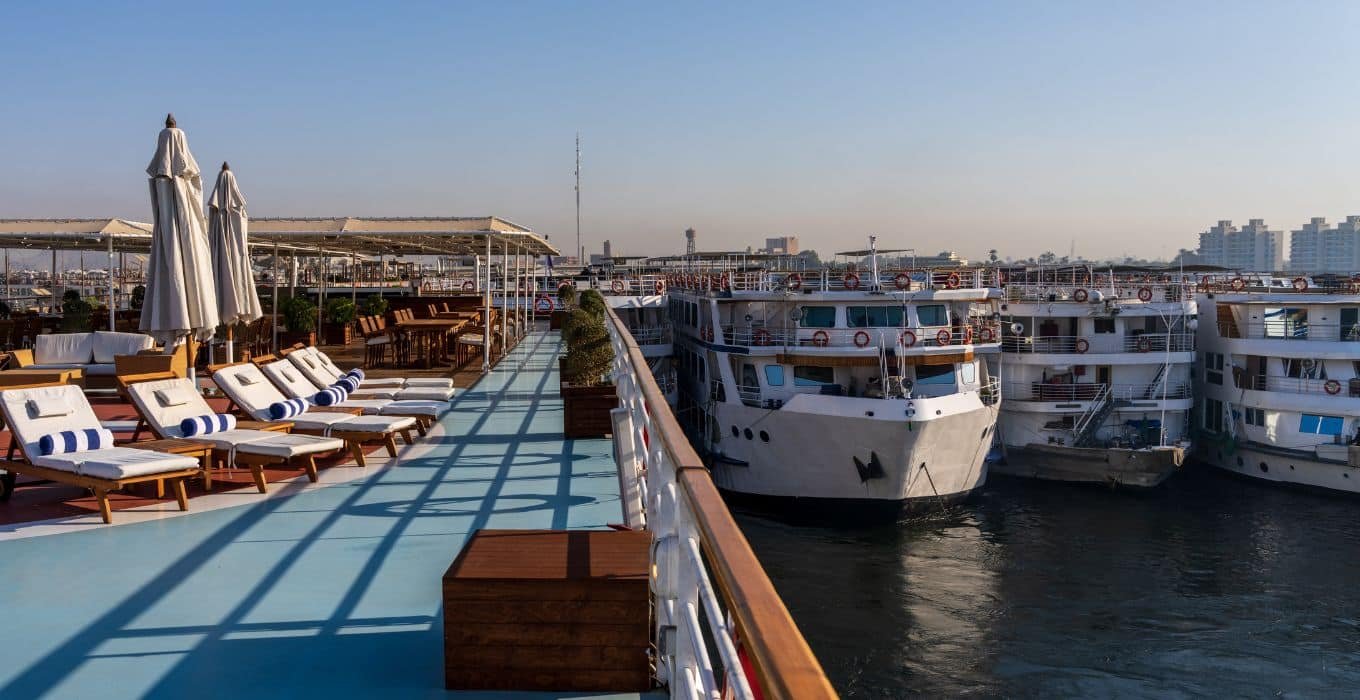
Picking the best time can make your visit far more comfortable and rewarding. Peak season runs from October through April. Milder temperatures and clear skies mean ideal conditions for sightseeing and photography.
Summer, from May through September, brings very high heat but lower fares and far fewer crowds. Late spring, around Easter, often sees a spike in demand and prices.
Plan early starts during hot months and use midday downtime onboard. If you are sensitive to heat, you may prefer paying more for cooler months.
- Book early for peak months and holiday windows to secure preferred cabins.
- Watch school breaks—national holidays raise crowd levels and costs.
- Check flexible terms if your dates fall near busy periods or shifting climate events.
| Season | Weather | Pros | Cons |
| Oct–Apr | Mild, clear | Best photography; comfortable touring | Higher prices; more crowds |
| May–Sep | Hot, dry | Lower fares; quieter sites | Very hot midday temperatures |
| Peak holidays | Varies | Festive atmosphere | Limited availability; book early |
Choose Your Style: Modern Ships, Vintage Steamships, or Dahabiya
Your choice of vessel shapes much of the onboard rhythm and daily comfort.
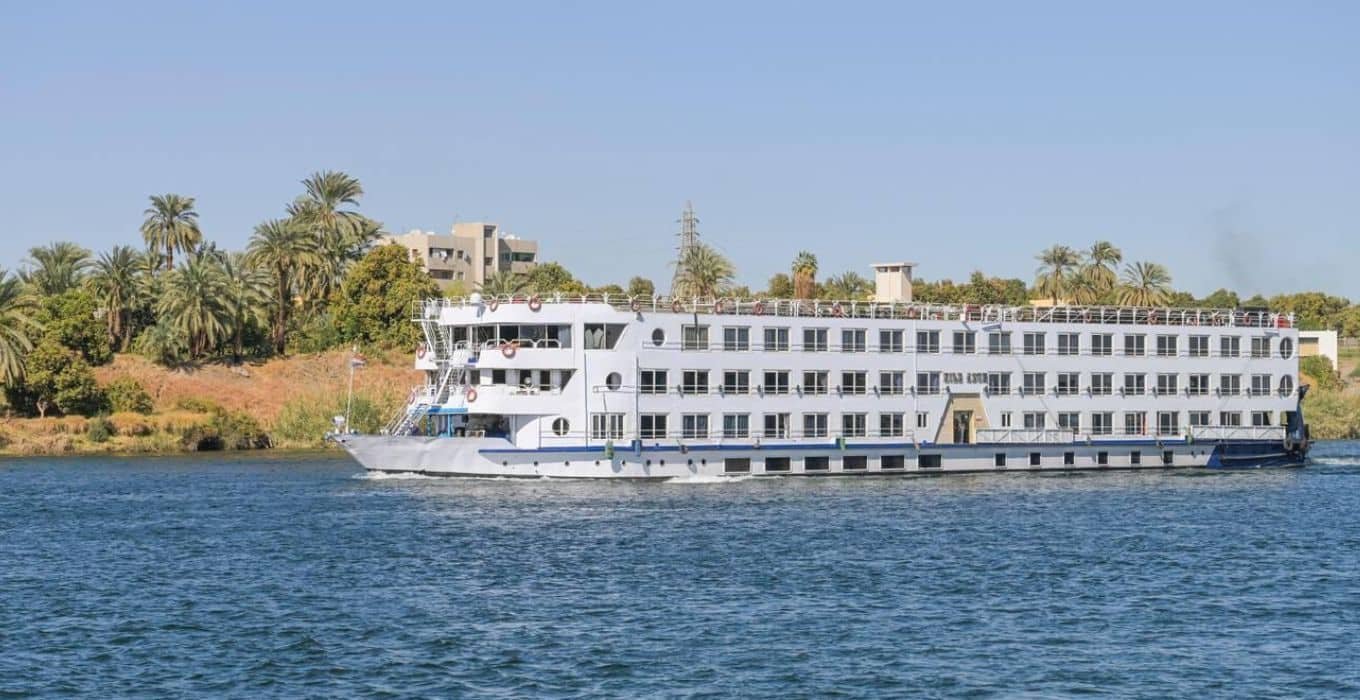
Modern ships suit travelers who want spacious cabins, varied cabin classes, and a wide range of amenities. These cruise ships often have pools, sun decks, and multiple dining options. Many carry roughly 70–120 passengers and offer lively social spaces.
Vintage steamships bring retro charm with updated, more eco-friendly engines. They blend old-world decor and relaxed service with modern safety and comfort. If nostalgia matters, this style gives character without sacrificing basics.
Dahabiya are small sailing boats for a quiet, highly personal experience. With far fewer passengers, your daily schedule is flexible and unhurried. This option suits slower travel and close-up riverside scenes.
- Compare amenities like pools, spas, Wi‑Fi, and balcony cabins.
- Ask about accessibility—many vessels have multiple decks and limited elevators.
- Check passenger counts: intimate ships foster mingling; larger ones add entertainment.
| Style | Best For | Key Feature |
| Modern ships | Comfort and variety | More amenities and cabin choices |
| Vintage steamship | Character and charm | Old-world design with updated engines |
| Dahabiya | Quiet, intimate travel | Small groups and slow pace |
Align your pick with itinerary length: more days onboard raise the value of higher comfort and luxury features for a better nile cruise experience.
Route Matters: Luxor to Aswan vs. Aswan to Luxor
Where your journey begins sets the pace: an early Luxor Aswan focus gives you a day and a half in Luxor right away. You can cover East and West Bank highlights before the ship sails south.
Starting in Aswan, Luxor feels calmer. Day one often includes Philae and the High Dam and positions you well for an Abu Simbel add-on. Both directions normally call at Edfu and Kom Ombo.
- Start in Luxor if you want front-loaded sightseeing and fewer post-cruise gaps for West Bank sites.
- Start in Aswan if you prefer a slow first day and easier Abu Simbel logistics.
- Direction affects photography windows, crowd levels, and how your time ashore flows.
| Start City | First-Day Focus | Advantages |
| Luxor | East/West Bank temples | Immediate deep dives; good if you must finish Luxor before onward travel |
| Aswan | Philae, High Dam | Relaxed start; smoother Abu Simbel transfer options |
| Both | Edfu, Kom Ombo | Classic sites appear either way; sequence and crowd timing change |
Ask your operator about exact ship schedules. Small shifts in arrival time can change how you see famous sites and shape your overall journey along the nile river.
Evaluating Cruise Ships: Cabins, Decks, and Onboard Comfort
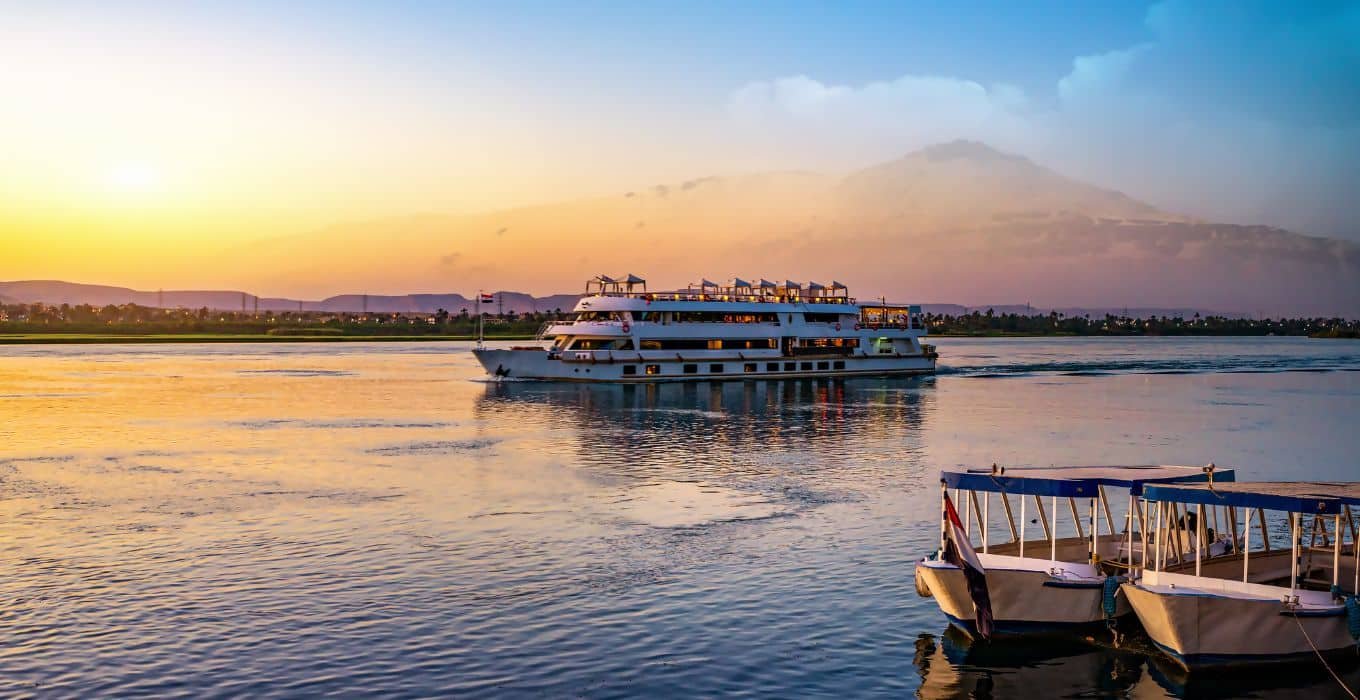
Cabin placement and ship layout shape how you spend each day aboard and how restful your nights are. Most modern ships have four or five decks, a sun deck with loungers and a pool, and carry about 70–120 passengers.
Decide whether a Nile-view cabin matters for you; views add magic, while interior rooms often save money. Pick a deck level based on priorities: lower decks give stability and value, upper decks give views and fast pool access.
Watch for noise near lounges, engines, or dining areas. Check square footage, bed layout, storage, and bathroom design so your cabin fits your comfort needs.
- Climate control and blackout shades: important if you sleep light.
- Accessibility: Many ships lack elevators; stairs can be an issue.
- Amenities and services: compare pool size, spa options, Wi‑Fi, laundry, and bottled water policies.
- Refurbishment dates: recent updates often mean a better overall experience.
| Feature | Why it matters | Quick tip |
| Deck level | Stability vs. views | Choose lower for steadiness, upper for scenery |
| Cabin view | Daily riverside scenes | Nile-view adds value for mornings |
| Onboard amenities | How you spend downtime | Match pool and spa choices with your leisure style |
For longer itineraries, prioritize quiet and cabin comfort since you’ll spend more hours aboard. Ask operators about maintenance standards and recent work to gauge how well the ship will support a pleasant nile cruise experience.
Budgeting Your Nile River Cruise
Knowing typical daily costs helps you compare operators and avoid last-minute add-ons.
Reputable operators often start around $150 per day on five-star ships. That base fare usually covers your cabin, three meals, and guided shore tours at major sites.
Plan an extra $10–$15 per person per day for tipping. Optional trips such as an Abu Simbel transfer or a hot-air balloon run commonly range from about $30 up to $100+ per person.
- Covered: cabin, meals, guided tours—confirm specifics before booking.
- Bring extra cash for: drinks, specialty dining, Wi‑Fi, and souvenirs.
- Add: pre/post hotel nights, domestic flights or sleeper train fares, and airport transfers.
- Protect: buy travel insurance for medical and trip interruptions.
| Item | Typical Cost | Note |
| Base fare | $150+/day | Includes meals and main tours |
| Tipping | $10–$15/day pp | Usually pooled for crew and guides |
| Optional excursions | $30–$100+ | Depends on mode and inclusions |
If you’re price-sensitive, check summer departures for lower rates. Always request a clear inclusion list so you can budget your time and spending with confidence.
Dining and Dietary Needs on Nile Cruises
Dining on board often becomes one of the most memorable parts of your river adventure. Menus usually run from buffet-style breakfasts to plated, fine-dining evenings. You’ll find Egyptian classics next to international comfort dishes during breakfast, lunch, and dinner.
Many operators accommodate special requests. Notify your provider early about allergies, vegetarian or vegan needs, gluten-free options, halal, and kosher requirements. Ask for written confirmation if your needs are strict.
- Service style: confirm whether the ship uses buffet, set menus, or a la carte seating.
- Allergen handling: ask how kitchens prevent cross-contamination and whether separate prep areas exist.
- Hydration and snacks: use bottled or filtered water for drinking and brushing teeth; pack bars or electrolyte tabs for long touring days.
- Special touches: many vessels can arrange cakes or private dining with advance notice; check dress codes for formal evenings.
- Local flavors: Embrace mezze, grilled meats, and fresh produce as part of your cultural experience.
| Topic | What to Ask | Why It Matters |
| Dietary options | List needs in writing before boarding | Ensures proper provisioning and meal planning |
| Service format | Buffet, set menu, or a la carte | Sets expectations for variety and pacing |
| Allergen safety | Separate prep and cross-contamination policy | Protects guests with food allergies |
| Onboard comfort | Bottled water and snack recommendations | Keeps you hydrated and energized during tours |
Practical tip: tell your guide and dining team about any restrictions before each shore tour or temple visit day so meals match busy schedules. Thoughtful planning makes dining a seamless part of your cruise experience and adds a touch of luxury and comfort to each meal.
Health and Safety on the Nile
Stay alert and prepared: safety steps make your river journey smoother and more enjoyable.
Follow crew briefings about boarding, gangway use, and emergency drills. These short sessions explain timing and where everyone gathers if a drill runs. Trust staff guidance during busy disembarkations and peak tour hours.
Keep valuables in the cabin safe and lock your door when you leave. Carry copies of passports and travel insurance separately from originals. Be discreet with electronics and cash in markets and at crowded sites.
- Drink bottled or filtered water and avoid tap water for brushing teeth.
- Pace yourself in heat, wear sun protection, and take frequent breaks.
- Respect local customs and dress modestly at religious places.
Practical notes: tourist police presence is stronger at major attractions, and official guides offer reliable timing and route advice. Check daily weather and plan shade and hydration during long tours so your travel days stay comfortable.
| Concern | Quick Action | Why It Helps |
| Gangway safety | Follow crew signals | Prevents slips and keeps boarding orderly |
| Health | Bottled water, sunscreen | Reduces stomach upset and heat risk |
| Security | Use cabin safe, carry copies | Protects documents and valuables |
Getting to Your Cruise Start Point: Luxor and Aswan
Your travel planning starts the day you leave home, not when you board the ship. From Cairo, book domestic flights into Luxor or Aswan for the fastest, most reliable connection. Flights are frequent and save precious day time for touring.
If you prefer rail, consider the Cairo–Luxor/Aswan sleeper train as an overnight option. It saves daylight hours and gives a low‑stress transfer if you want to rest before your first shore visit.
Coming from Red Sea resorts? Private car transfers from Hurghada to Luxor or Marsa Alam to Aswan are common when you blend beach time with a river trip. Sharm El Sheikh also offers direct domestic flights into Luxor.
Allow buffer time between arrival and embarkation in case of delays. Coordinate airport pickups with your operator and confirm pier or hotel pickup points the day before. Keep meds and documents in your carry-on so you can start your day without worry.
- Book flights early during peak season for better fares and schedules.
- Plan door-to-ship time, not just flight length.
- Check any Abu Simbel air transfers so they don’t clash with ship plans.
| Origin | Common Transfer | Approx. Time | Why Pick It |
| Cairo | Domestic flight to Luxor/Aswan | 1–1.5 hours flight | Fastest, most reliable for morning tours |
| Cairo | Sleeper train | Overnight (8–12 hours) | Saves daytime; restful arrival |
| Hurghada / Marsa Alam | Private car transfer | 3–5 hours road | Combines beach and river travel smoothly |
| Sharm El Sheikh | Domestic flight to Luxor | Short flight | Good for Red Sea resort add-ons |
Sample Day-by-Day Flow: How Your Time Actually Unfolds
A typical river day balances early excursions, midday rest, and gentle sails between ports.
You often start before sunrise for prime visits at places like Karnak or the Valley of the Kings. Early hours mean cooler air and fewer crowds for faster, richer tours led by professional guides.
Late morning brings a return to the ship for lunch and a quiet stretch. Use that time for naps, a dip on the sun deck, or quick device charging while you sail to the next stop.
- Expect late-afternoon visits when light is soft and photos look best.
- Evenings often include onboard talks, music, or free time under stars.
- Your guide will brief you nightly on meeting times, site order, and dress suggestions.
- Pack a small daypack: water, hat, sunscreen, cash, and a light scarf.
Optional add-ons like an Abu Simbel transfer or a balloon ride mean earlier departures than normal. Be ready for schedule shifts caused by navigation, port traffic, or locks; flexibility keeps your journey smooth.
| Part of Day | Typical Activity | Why It Helps |
| Morning | Guided temple tour | Cooler temps and smaller crowds |
| Midday | Lunch and sailing | Rest and recharge on board |
| Evening | Entertainment or free time | Relax and reflect on the experience |
How to Choose the Right Nile Cruise Itinerary (3, 4, or 7 Nights)
Think of duration, direction, and ship style as three equal parts of a smart plan. If you have only a few days, a short option covers essentials between Aswan and Luxor at a fast pace. A mid-length run offers a balanced day count with both East and West Bank time in Luxor, plus Aswan visits.
For depth and quieter archaeology like Dendera or Abydos, a week gives extra downtime and room for an Abu Simbel add-on by road or air. If peace and slow travel matter, consider a dahabiya on longer departures.
Book October–April for comfort; pick summer if you want lower fares and fewer crowds, and can handle heat. Budget for the base fare, plus tips (about $10–$15 per day) and optional excursions so you avoid surprises.
- Map must-sees to each length: Kom Ombo and Edfu appear on most routes; the West Bank fits best in mid or week options.
- Pick direction that matches your flights and arrival city to save time.
- Compare ships for amenities, cabin views, and deck placement before you book.
| Focus | Best Fit | Why it matters |
| Essentials | Short runs | Fast pace, core temples |
| Balance | Mid runs | East & West Bank plus Aswan |
| Depth | Week runs | Extra sites, downtime, Abu Simbel option |
Conclusion
Finish with a clear checklist: duration, route, cabin, season, and budget. Decide whether you want essentials, a balanced plan, or a deeper week, then match a ship and start city that save travel time.
Prioritize the sites that matter most — from Philae and Edfu to the Valley of the Kings and optional Abu Simbel — and confirm what your fare covers. Ask about tipping, transfers, and optional tours so your budget is firm before you book.
Pack for sun and modest dress, keep a small daypack, and plan sensible flight or train buffers into Luxor or Aswan. With that clear plan you’ll enjoy a smooth river cruise that connects modern comforts with ancient history across this unique country and world-famous waterway.