
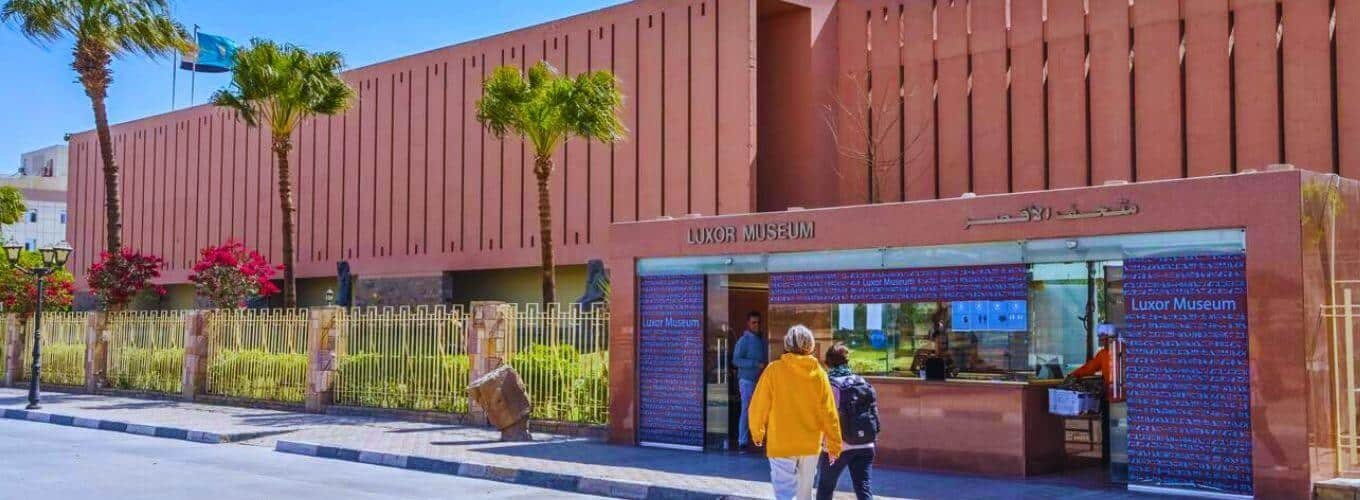
The Luxor Museum is one of Egypt’s most refined and thoughtfully curated museums, offering visitors a clear, immersive journey through the history of ancient Thebes. Located on the east bank of the Nile between Luxor Temple and Karnak, the museum focuses on quality rather than quantity—displaying carefully selected masterpieces that reveal how Luxor shaped Egypt’s political, religious, and artistic identity over thousands of years.
Unlike larger national museums, the Luxor Museum is designed to be experienced slowly. Each gallery follows a chronological and thematic flow, allowing visitors to understand not only what they are seeing, but why it matters. Statues, reliefs, tools, and royal artifacts are presented with clear explanations, making the museum ideal for first-time visitors as well as travellers who want deeper historical context before exploring Luxor’s temples and tombs.
For guests travelling with Egypt Cruise Planners, the Luxor Museum often becomes a highlight that connects the dots between monuments seen along the Nile. It provides essential background to sites like Karnak Temple, Luxor Temple, and the Valley of the Kings—turning stone walls and hieroglyphs into a coherent historical narrative rather than isolated stops on an itinerary.
Key Takeaways
- The Luxor Museum is a carefully curated museum that focuses on quality, clarity, and historical context rather than large crowds or overwhelming displays.
- Most artifacts come directly from ancient Thebes, helping visitors better understand nearby temples such as Karnak and Luxor Temple.
- The museum is ideal for first-time visitors and history enthusiasts alike, thanks to clear explanations and a logical layout.
- Visiting the museum adds essential background that makes Luxor’s monuments and tombs more meaningful, not just visually impressive.
- It fits easily into East Bank sightseeing and Nile cruise itineraries, making it a practical and rewarding stop in Luxor.
Why the Luxor Museum Is a Must-Visit in Egypt
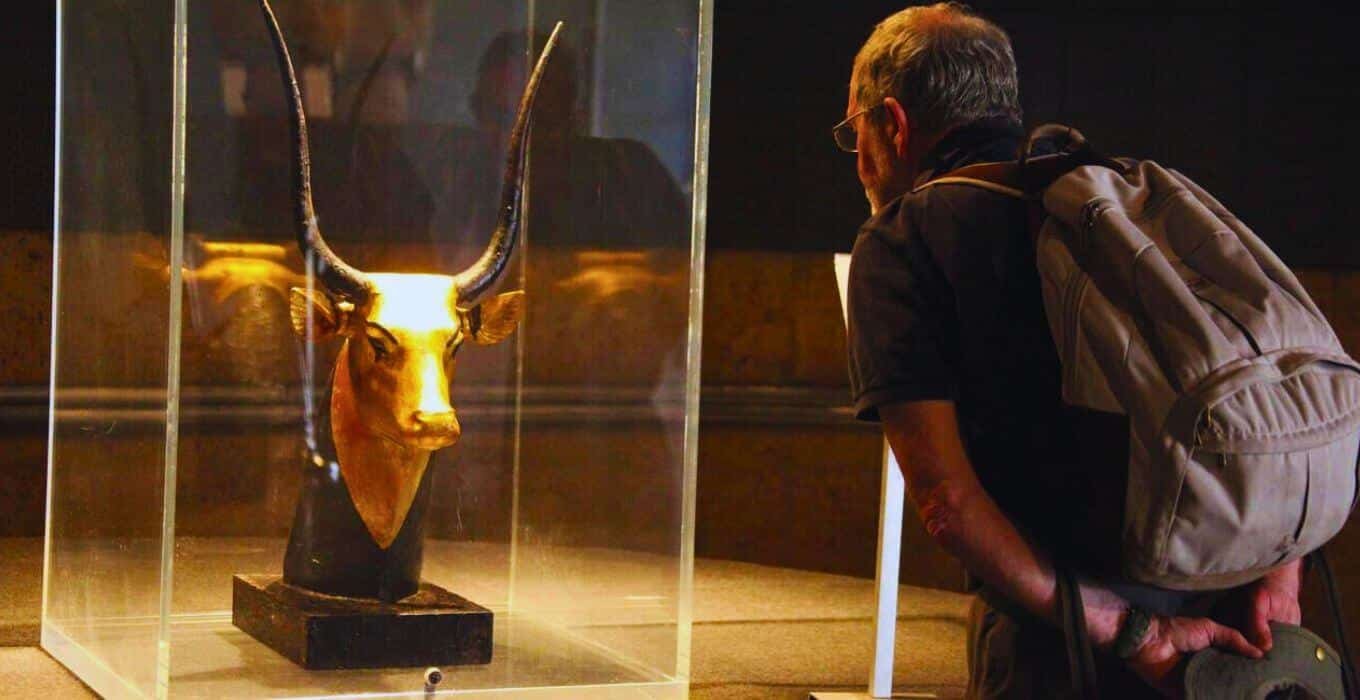
The Luxor Museum stands out as one of Egypt’s most intelligently curated museums, designed to help visitors understand ancient history rather than simply observe it. Instead of displaying thousands of objects, the museum focuses on a carefully selected collection that tells the story of ancient Thebes—Egypt’s religious and political heart during the Middle and New Kingdoms—with clarity and purpose.
What truly elevates the experience is how closely the museum is connected to the monuments just outside its doors. Many of the statues, reliefs, and architectural elements on display were discovered in nearby temples, especially Karnak and Luxor Temple. Seeing these artifacts indoors—restored, well-lit, and accompanied by concise explanations—allows visitors to notice details that are often missed when viewing colossal statues or weathered carvings in open-air sites.
What Makes the Luxor Museum Different
- A calm, uncrowded environment that encourages slow exploration
- Displays arranged in a logical historical narrative, not random halls
- Artifacts sourced primarily from Luxor and Thebes, not across Egypt
- Clear labeling that suits both first-time visitors and history enthusiasts
When compared to larger institutions such as the GEM Museum in Cairo, the Luxor Museum offers a more focused and digestible experience. There is no sensory overload or confusing layout—just a coherent story that complements temple visits rather than competing with them. For travellers exploring Upper Egypt or arriving as part of a Nile cruise itinerary, the museum acts as a bridge between what is seen along the river and the broader historical narrative behind it.
History & Origins of the Luxor Museum
The Luxor Museum was established to serve a very specific purpose: to present the history of ancient Thebes in a way that directly complements the temples and archaeological sites of Luxor itself. Unlike national museums designed to gather artifacts from across Egypt, this museum was conceived as a local interpretive center—a place where discoveries made in Luxor could be understood within their original historical and geographical context.
The museum officially opened to the public in 1975, at a time when archaeological work in Luxor was intensifying and major discoveries were reshaping how scholars understood the city’s role in ancient Egypt. From the beginning, the focus was on selective curation. Only well-preserved, high-quality artifacts with clear historical value were chosen, allowing visitors to follow the evolution of Thebes without distraction or overcrowding.
A Museum That Grew With Discovery
As excavations continued around sites such as Karnak Temple and Luxor Temple, the museum expanded to accommodate new and significant finds. One of the most important milestones was the addition of galleries dedicated to discoveries from temple cachettes—hidden deposits where statues and reliefs were deliberately buried in antiquity for protection.
Key moments in the museum’s development include:
- 1975: Official opening with a core collection focused on Thebes
- 1990s–2000s: Expansion of galleries as major temple discoveries continued
- Recent years: Addition of new exhibition spaces presenting royal and military artifacts with updated interpretation
Throughout these changes, the museum maintained its original philosophy: clarity over scale. Artifacts are displayed with careful spacing, controlled lighting, and concise explanations, allowing visitors to engage with each object as a historical document rather than a decorative piece.
Expert Insight: Many Egyptologists consider the Luxor Museum one of the best places in Egypt to learn ancient history, not just observe it—because its collection evolved alongside modern archaeological understanding, not outdated 19th-century museum models.
What You’ll See Inside the Luxor Museum
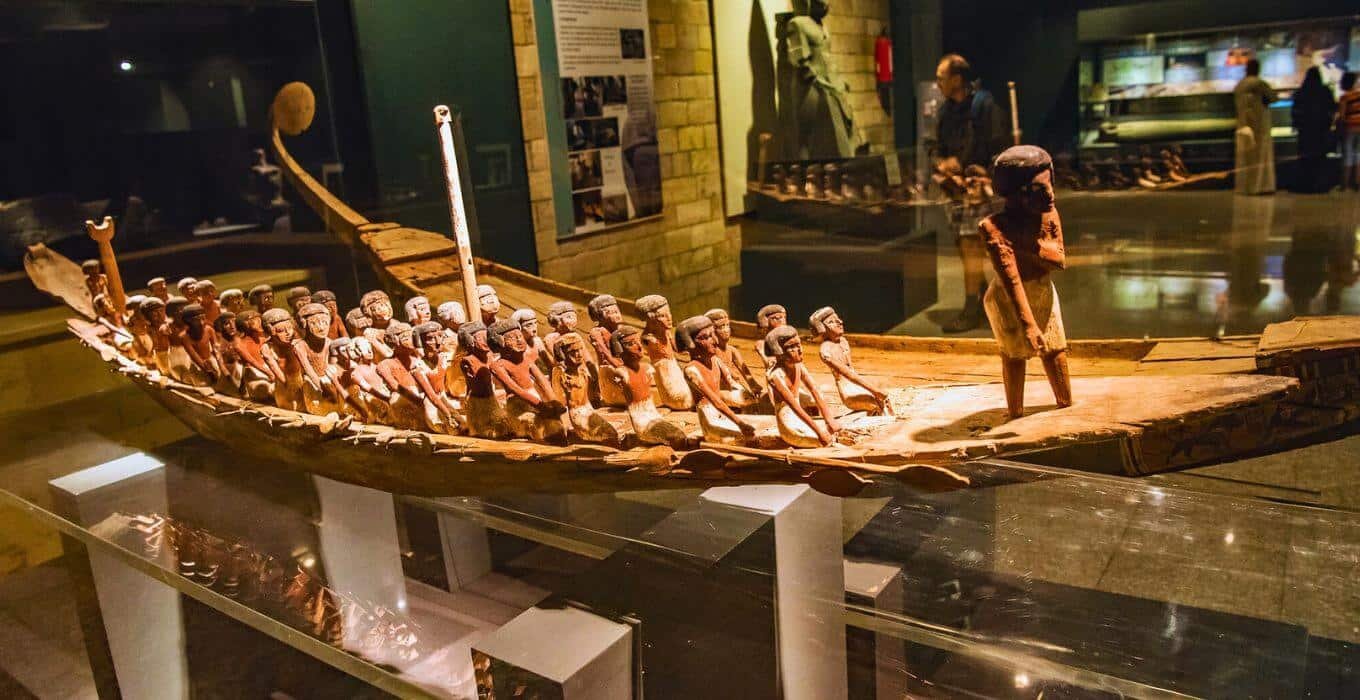
The strength of the Luxor Museum lies in how its galleries are organized to tell a clear historical story. Each room builds on the previous one, guiding visitors through the political, religious, and artistic development of ancient Thebes. Rather than overwhelming you with objects, the museum invites close observation—many pieces are displayed at eye level, allowing details to stand out.
The Temple Cachette Statues
One of the museum’s most impressive sections features statues discovered in temple cachettes around Luxor, where priests intentionally buried sacred images to protect them.
Notable highlights include:
- Monumental statues of Amenhotep III, showing refined royal portraiture
- Powerful representations of Ramesses II, emphasizing divine kingship
- Statues of gods such as Amun, displayed with clear symbolic explanations
Seeing these statues indoors reveals facial expressions, inscriptions, and craftsmanship that are often hard to notice at outdoor temple sites.
Akhenaten & the Amarna Period Reliefs
Another standout gallery is dedicated to relief blocks from the reign of Akhenaten, one of Egypt’s most revolutionary rulers. These limestone talatat blocks illustrate a dramatic shift in artistic style—naturalistic bodies, intimate family scenes, and a focus on the sun disk Aten.
This section helps visitors understand:
- Why Amarna art looks so different from traditional Egyptian imagery
- How religious change directly influenced artistic expression
- The political tension behind Akhenaten’s reforms
Royal & Military Artifacts
The museum also houses a refined collection of royal and military objects that highlight Egypt’s power during the New Kingdom, including:
- Weapons, shields, and chariots linked to Egypt’s expansionist campaigns
- Ceremonial tools and elite objects used in state rituals
- Inscriptions that document battles, alliances, and royal achievements
Local Guide Note: Many visitors find this section especially rewarding after visiting temple reliefs—because the museum objects explain who fought these wars and why, not just where they are carved in stone.
Practical Visitor Information
Planning your visit in advance makes a noticeable difference, especially if you’re exploring Luxor on a tight itinerary or as part of a Nile cruise schedule. The museum is compact and well-organized, which means you can enjoy it thoroughly without dedicating half a day.
Location & How to Get There
The museum is located on Luxor’s East Bank, along the Nile Corniche, between Luxor Temple and Karnak Temple. It is easily reached by:
- Taxi or private transfer (5–10 minutes from central Luxor)
- Walking from Luxor Temple for those staying nearby
- Organized East Bank sightseeing tours
Opening Hours & Tickets
| Visitor Info | Details |
|---|---|
| Opening Hours | Daily, usually 9:00 AM – 2:00 PM & 5:00 PM – 8:00 PM (hours may vary seasonally) |
| Average Visit Time | 45–90 minutes |
| Ticket Price | Modest entry fee, payable on site |
| Photography | Restricted in some galleries |
Note: Evening hours are especially popular because the museum is quieter and pairs well with a night visit to Luxor Temple.
Best Time to Visit
- Late morning: Ideal for clear lighting and calm pacing
- Early evening: Cooler temperatures and fewer tour groups
- Before temple visits: Helps you recognize styles, symbols, and historical figures later at Karnak and Luxor Temple
Accessibility & Visitor Tips
- The museum is flat and easy to navigate, suitable for most visitors
- Air-conditioned galleries offer a welcome break from the heat
- Clear English explanations make it suitable for families and first-time visitors
- Comfortable walking shoes are recommended, though the visit is not physically demanding
How to Include the Luxor Museum in Your Egypt Itinerary
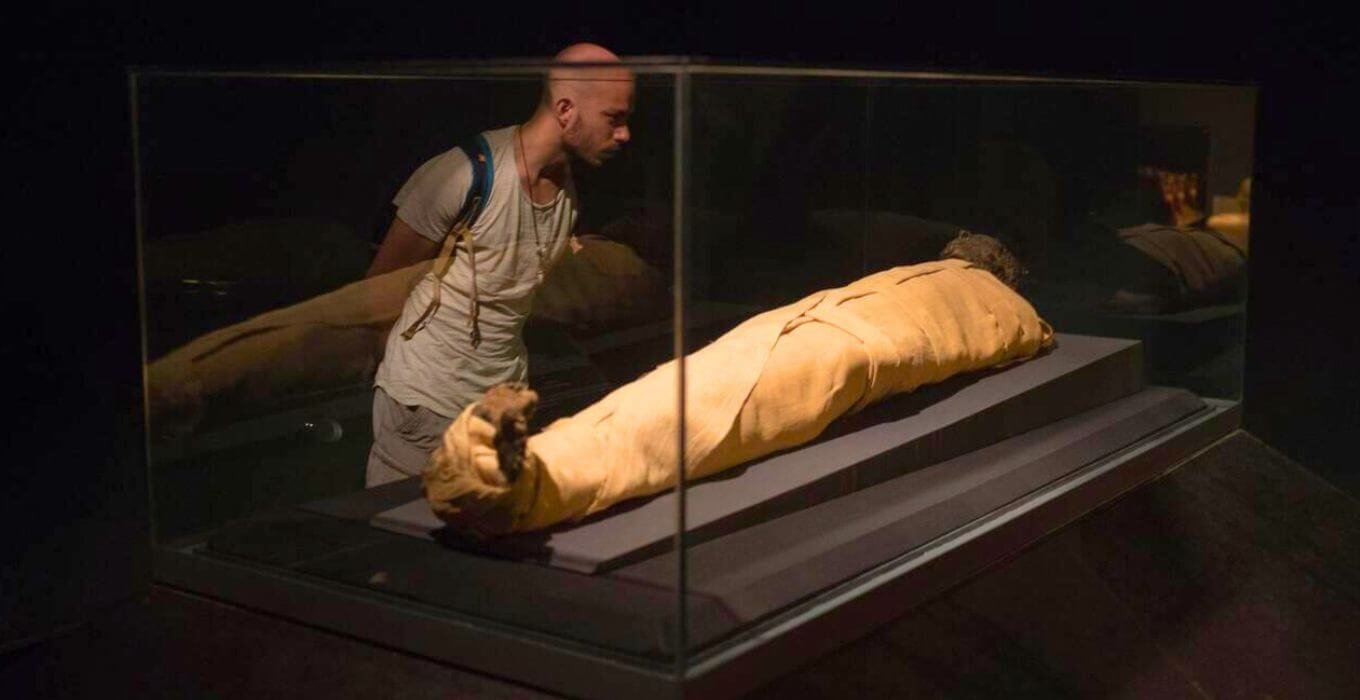
The Luxor Museum fits seamlessly into most Luxor itineraries, especially those that prioritize historical context over rushed sightseeing. Because the museum visit is relatively short yet highly informative, it works best as a foundation stop—helping visitors understand what they will later see carved into temple walls and tombs.
Ideal East Bank Combination
Many travelers choose to visit the museum as part of an East Bank exploration, pairing it with nearby landmarks such as Luxor Temple and Karnak Temple. Starting at the museum allows you to recognize royal names, artistic styles, and religious symbols when you later encounter them at these monumental sites.
A common and well-balanced sequence looks like this:
- Luxor Museum (45–90 minutes)
- Karnak Temple complex
- Evening visit to Luxor Temple when illuminated
Including the Museum on a Nile Cruise
For travelers arriving on a Nile cruise, the museum is often scheduled during the Luxor East Bank tour day. This timing is especially effective because cruise itineraries already follow a historical progression—from temples in Luxor to royal tombs on the West Bank. The museum acts as a narrative bridge, connecting what guests have already seen upriver with what awaits in the Valley of the Kings.
Who Benefits Most from This Visit
- First-time visitors who want historical clarity before temple exploration
- Nile cruise guests seeking deeper understanding without adding physical strain
- Travellers with limited time who still want a meaningful cultural experience
Planning Tip: If your schedule allows, visiting the Luxor Museum early in your stay improves every site you see afterward—turning hieroglyphs and statues into recognizable stories rather than abstract symbols.
Frequently Asked Questions About the Luxor Museum
What is the Luxor Museum best known for?
The Luxor Museum is best known for its carefully curated collection of statues, reliefs, and royal artifacts discovered in and around ancient Thebes. Unlike larger museums, it focuses on quality, clarity, and historical context rather than volume.
How long does it take to visit the Luxor Museum?
Most visitors spend 45 to 90 minutes inside the museum. Its compact layout makes it easy to explore thoroughly without feeling rushed, making it ideal for East Bank sightseeing or Nile cruise itineraries.
Is the Luxor Museum suitable for first-time visitors?
Yes. Clear explanations, logical gallery flow, and well-lit displays make the museum suitable for first-time visitors, families, and travellers who want historical background before visiting temples and tombs.
Can the Luxor Museum be visited without a guide?
The museum can be visited independently, as exhibits are well-labeled in English. However, visiting with a licensed guide—especially as part of a private Luxor or Nile cruise tour—adds deeper insight into symbolism, royal figures, and historical context.
What is the best time of day to visit the Luxor Museum?
Early evening is often the most pleasant time to visit, especially in warmer months. Temperatures are cooler, the museum is quieter, and it pairs well with a night visit to Luxor Temple.
Is the Luxor Museum crowded?
No. Compared to major temples and large national museums, the Luxor Museum is generally calm and uncrowded, offering a relaxed and focused experience.
Final Thoughts on Visiting the Luxor Museum
A visit to the Luxor Museum adds depth and meaning to any journey through Luxor. Rather than simply displaying ancient objects, the museum helps visitors understand how and why this city became the heart of ancient Egypt during its most powerful dynasties. By focusing on carefully selected artifacts from Thebes itself, the museum turns abstract history into a clear and connected story.
For travellers exploring Luxor’s temples, tombs, and monuments, the museum provides essential context that enhances every site that follows. Details noticed indoors—royal names, artistic styles, religious symbols—suddenly become familiar when seen later at Karnak, Luxor Temple, or the Valley of the Kings. This makes the overall experience more coherent, especially for first-time visitors.
At Egypt Cruise Planners, we often recommend the Luxor Museum as a foundational stop within East Bank sightseeing or Nile cruise itineraries. Its calm atmosphere, manageable size, and strong educational value make it one of the most rewarding cultural visits in Upper Egypt. Whether you are spending a single day in Luxor or enjoying a longer Nile journey, the museum offers insight that stays with you long after you leave its galleries.
Related Articles: