
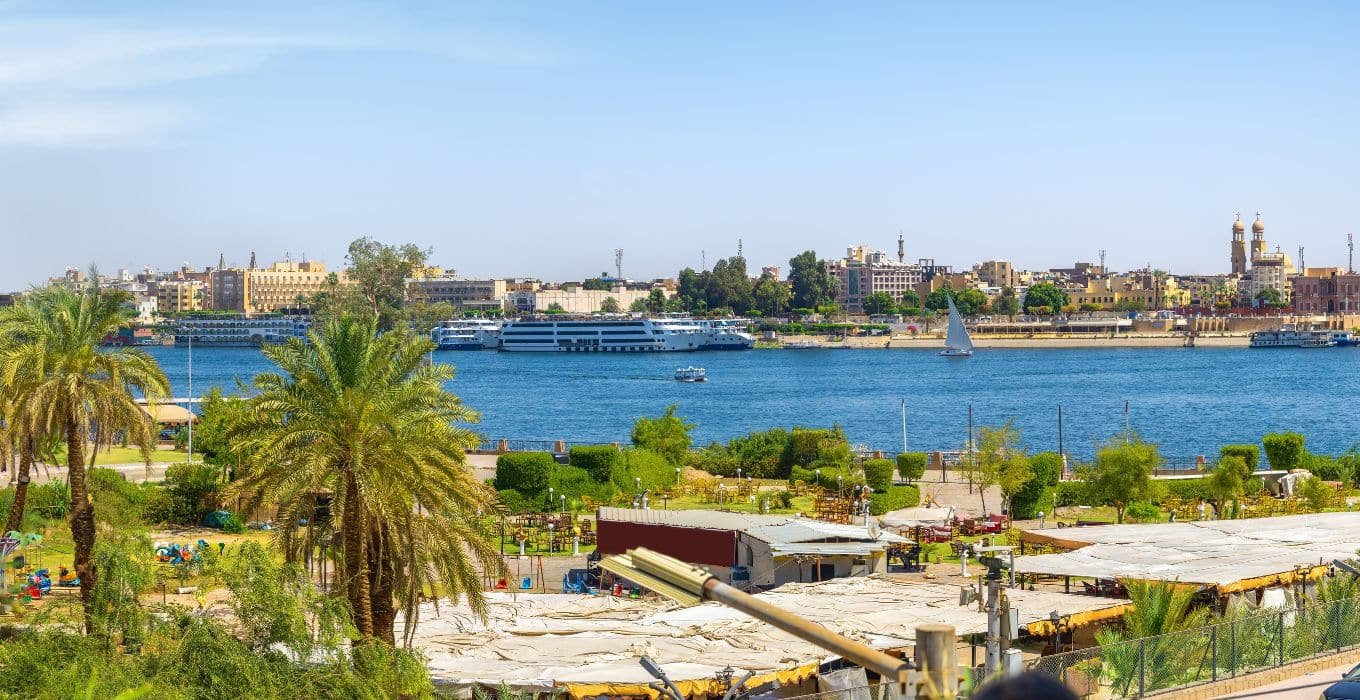
Start planning a trip with a clear map of the classic Luxor–Aswan corridor. This guide shows the main sights—Karnak and Luxor Temple, the Valley of the Kings, Hatshepsut’s Temple, Edfu’s Temple of Horus, Kom Ombo, and Philae—so your days ashore stay efficient and rewarding.
You’ll learn how common itineraries work: short hops of three or four nights and full-week options that let you move more slowly. Luxury lines like Oberoi Zahra, Sonesta Star Goddess, Blue Shadow, and Alyssa offer guided Egyptologist tours and high-end comforts if you want an upscale stay.
The piece also previews Lake Nasser sailings toward Abu Simbel, quieter temples beyond Aswan, and optional extras such as a felucca ride or a visit to a Nubian village. Read on to choose the ideal river cruise pace for your trip, keep logistics light, and make the most of your time on the Nile River.
Key Takeaways
- You’ll get a clear view of how the Luxor–Aswan corridor is laid out and why it matters for planning.
- Learn which sites commonly appear on 3-, 4-, and 7-night itineraries and how they fit your pace.
- See when Lake Nasser sailings are the best choice for reaching Abu Simbel and remote temples.
- Find which upscale ships and smaller vessels match your comfort and trip style.
- Quick tips for U.S. travelers on seasons, booking windows, and optional shore experiences.
Your ultimate guide to Nile River cruise routes and how to choose the right one

Deciding the right route starts with matching the pace of the journey to your interests and energy. Standard itineraries include quick three-night runs, four-night options, and fuller seven-night return trips. Each length changes how many sites you see each day and how much time you have to relax onboard.
Peak season runs from December–February, while the best weather stretches from October–April. Many ships run year-round, but you should book early for holiday weeks. U.S.-focused operators publish set sailing days—Saturdays, Mondays, Wednesdays, or Fridays—so you can coordinate flights easily.
Guided tours with Egyptologists add depth at major stops, though Wi‑Fi and onboard services vary by vessel. Consider boat type: large cruisers offer pools and spas; smaller dahabiyas stop in quieter villages.
- Quick sampler: 3 nights for efficient shore time.
- Balanced traveler: 4 nights for a gentler pace.
- Slow travel fan: 7 nights for deeper exploration.
| Itinerary | Best for | Typical days/stops |
| 3-night | Time-tight travelers | 2–3 main sites |
| 4-night | Leisure seekers | 3–4 sites, more downtime |
| 7-night | Deep explorers | All major sites plus extras |
Choose by how many tours you want each day, the level of onboard comfort you expect, and whether add-ons like temple flights or day trips fit your schedule.
What “Top Nile Cruise Routes: From Luxor to Aswan and Beyond” really includes
You’ll get a concise map of likely stops, sample pacing, and key experiences for each sailing length. This section lays out common itineraries and the main sites you’ll visit so you can match time ashore with your energy and interests.
You’ll see the core corridor’s temple powerhouses—Karnak, Luxor, Edfu, Kom Ombo, Philae—and royal tombs on the West Bank, such as the Valley of the Kings and Hatshepsut’s temple.
- Short and mid-length options with day-by-day highlights.
- Lake Nasser sailings that reach Kalabsha, Amada, Wadi El Seboua, Qasr Ibrim, and Abu Simbel.
- Longer itineraries that add Dendara, Abydos, and Beni Hasan for deeper history.
The guide also explains common add-ons—for example, flying or driving to Abu Simbel versus including it on a longer voyage. It covers departure patterns, season tips for U.S. travelers, and which ship styles suit the kind of experience you want.
| Length | Typical focus | Standout moments |
| 3–4 nights | Major temples, brisk pacing | Valley of the Kings, Edfu |
| 7 nights | Slower pace, extras | Philae, Kom Ombo nights |
| 10+ nights | Extended history routes | Dendara, Abydos, Abu Simbel |
Luxor-Aswan essentials: the classic Nile cruise corridor
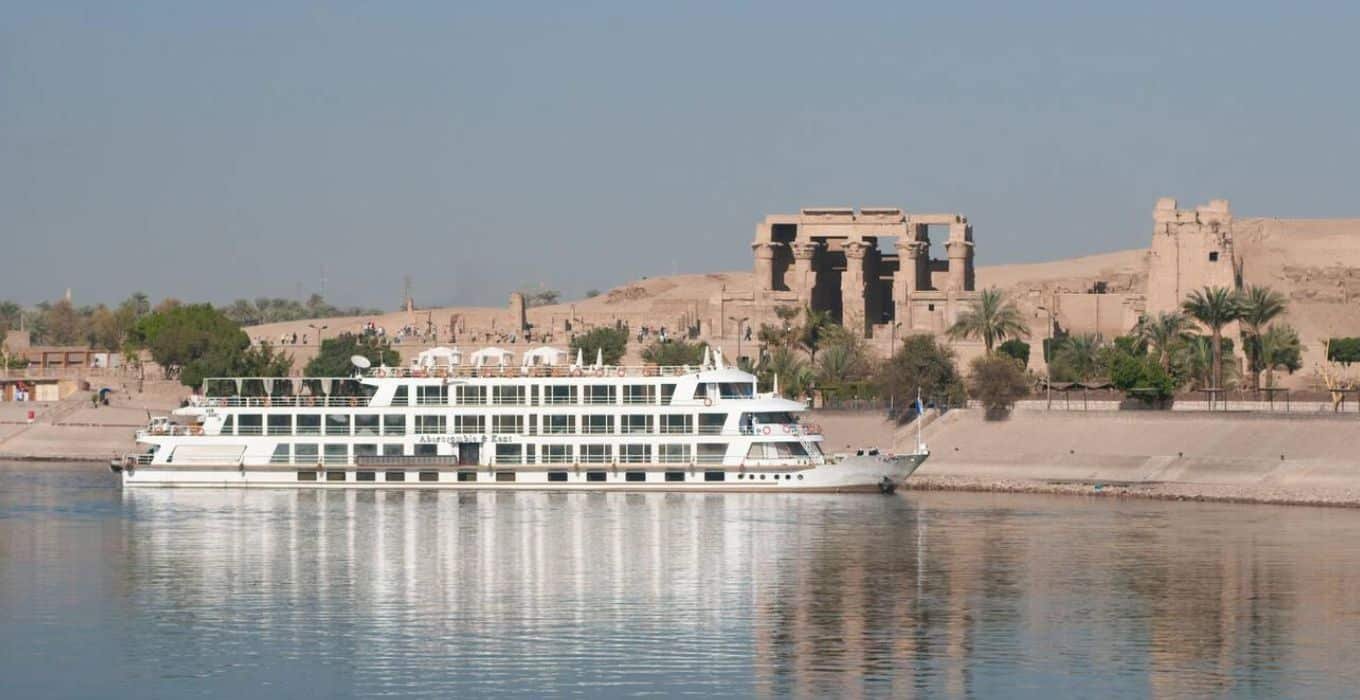
Sailing this stretch pairs dramatic archaeological sites with easy onboard rhythms for sightseeing and recovery. On most Luxor Aswan itineraries, days are split between guided morning visits and lazy afternoons on deck.
You’ll tour East Bank highlights like Karnak and the lit Luxor temple at night. West Bank stops include the valley kings, Hatshepsut’s mortuary, and the Colossi of Memnon.
- Mid-route calls: Edfu’s Temple of Horus and Kom Ombo—great at sunset for photos.
- Aswan must-sees: Philae, the Unfinished Obelisk, and High Dam views.
- Many ships run expert-led tours and host cultural evenings onboard for context and entertainment.
| Area | Main sights | Why visit |
| East Bank | Karnak, Luxor temple | Open-air museum feel, grand avenues |
| West Bank | Valley Kings, Hatshepsut | Royal tombs and funerary art |
| Aswan | Philae, Unfinished Obelisk | Calmer pace, Nubian charm |
Plan for longer touring days by bringing water and pacing your energy. If you love tombs and temples, consider one extra night in luxor aswan to dig deeper into the ruins and local museums.
Aswan to Luxor in three nights: a time-smart itinerary
Start your three-night run in Aswan with a morning at Philae and clear logistics for a swift northbound sail. Many U.S.-oriented operators set departures on Fridays or Wednesdays, so check the schedule before booking flights.
Day one pairs Philae and the High Dam with an option for Abu Simbel by air or road the prior day. The ship then sails north with short afternoon calls.
- Time Kom Ombo for dusk for dramatic light on the Sobek reliefs and the crocodile museum.
- Visit Edfu early to beat crowds at the Temple of Horus.
- Finish with efficient East and West Bank tours at Luxor—Karnak, Luxor temple, Valley of the Kings, and Hatshepsut.
Pace your days: balance guided tours with ship downtime, use briefings to keep the daily schedule tight, and pack layers for cool evenings on deck.
| Night | Main stops | Why it works |
| Night 1 | Philae, High Dam (option: Abu Simbel) | Strong opening; short transfers |
| Night 2 | Kom Ombo, Edfu | Photogenic dusk, early temple visit |
| Night 3 | Luxor East & West Banks | Concentrated major sites before disembark |
Luxor to Aswan in four nights: a relaxed upstream journey
A four-night voyage upriver gives you more slow mornings and fewer rushed shore calls. This schedule spreads East and West Bank touring across gentler days so you can linger in Karnak’s hypostyle hall and watch Luxor Temple glow at dusk.
You’ll space West Bank visits—Valley of the Kings and Hatshepsut—so tomb tours feel unrushed. Stops at Edfu and kom ombo arrive with time for photos and study of carved temple reliefs.
The extra night leaves energy for Aswan highlights: Philae, the Unfinished Obelisk, and a calm felucca sail around Elephantine Island. Some itineraries add a Nubian village tour for local culture between sailing days.
- More deck time: swim, spa, and sun-deck views between shore tours.
- Flexible schedule: an afternoon free for souq shopping or tea with river views.
- Optional add-ons: Abu Simbel flights, extended village visits, or cooking demos onboard.
| Feature | What it means for you | When it shines |
| Spread-out touring | Shorter days on land, less fatigue | Best for travelers who dislike rushed schedules |
| Extra night onboard | More time for pools, spa, and cultural evenings | Ideal when you want a balance of activity and rest |
| Leisurely temple calls | Time for photos and reading reliefs at Edfu and Kom Ombo | Great for photography and history buffs |
| Aswan options | Fel ucca sails, Philae visit, souq shopping | Perfect finish before disembarkation or onward travel |
Seven-night Nile river cruise: slow travel, deeper discoveries
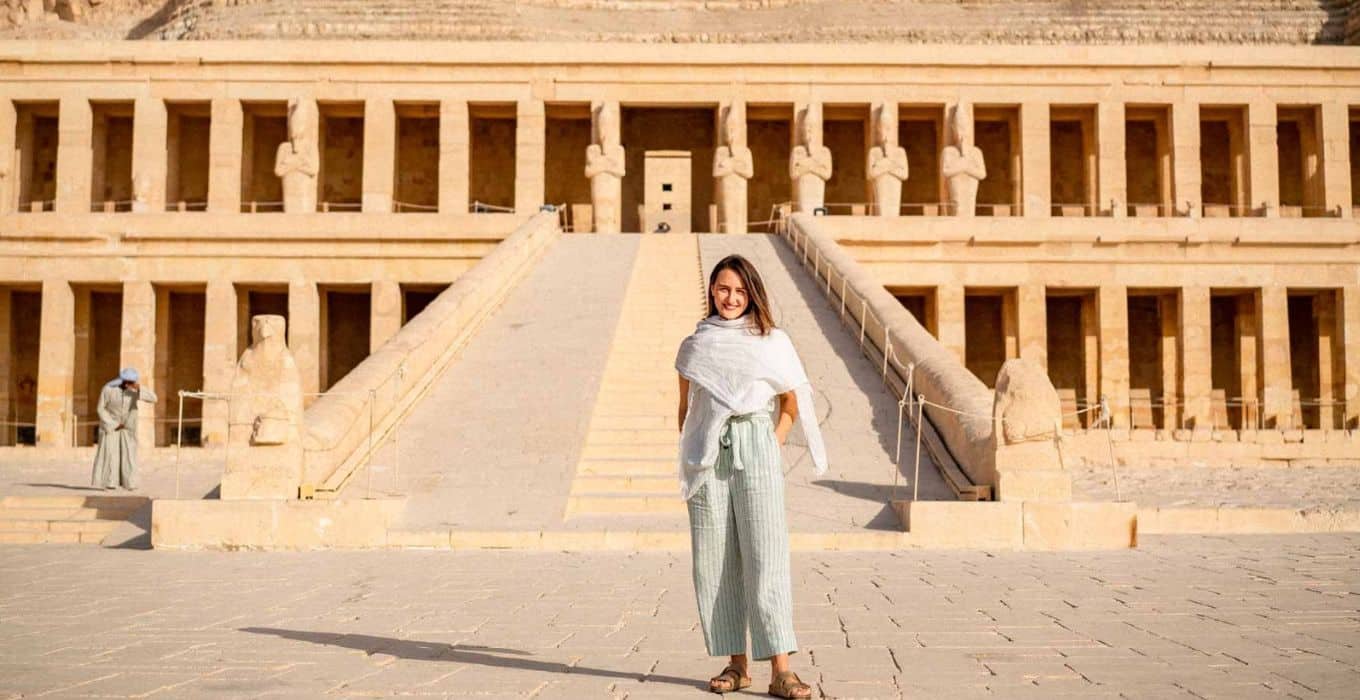
A weeklong voyage gives you time to read the reliefs, linger at ruins, and sail between stops at an unhurried pace. This schedule spreads visits so you move at a relaxed tempo. You get mornings with guides and long afternoons on deck.
Your typical 8-day/7-night arc starts with East Bank temples—Karnak and Luxor Temple—then crosses to the West Bank for the Valley of the Kings, Hatshepsut, and often Ramesseum or Medinet Habu.
The middle days weave in Edfu and Kom Ombo without hurried transfers. You reach Aswan with a full day for the High Dam, the Unfinished Obelisk, and Philae, plus a serene felucca loop around Elephantine Island.
- Plan the Valley of the Kings visit so you can add extra tomb entries if you want deeper context.
- Decide on the Abu Simbel excursion on the penultimate day for a bucket-list finish.
- Expect cultural evenings, a galabeya night, expanded dining, and spa time aboard.
| Phase | Highlights | Why it works |
| Days 1–2 | East Bank temples, guided tours | Strong opening with expert briefings |
| Days 3–5 | Edfu, Kom Ombo, relaxed sailing | Photo time and quieter shore calls |
| Days 6–8 | Aswan, felucca, optional Abu Simbel | Calm finish and bucket-list choice |
With this weeklong schedule, you’ll feel the river as much as the sites. The slower rhythm balances tours with downtime so the whole trip becomes a true travel experience rather than a checklist.
Long Nile cruises toward Cairo: when you want nearly the full river
If you crave a river journey that stretches toward Cairo, expect a bigger scope and quieter archaeological stops. These long sailings are rare, often run monthly, and usually skip summer months.
Why choose one? You visit Dendara’s restored colors and rooftop views, Abydos’ Temple of Seti I with its famous Kings List, and Beni Hasan’s vivid Middle Kingdom tomb scenes. That breadth adds depth to any ancient Egypt itinerary.
You’ll spend more days onboard, with longer river stretches and extra lectures. Operators offering such river cruises keep tight schedules and handle complex logistics for you.
- Longer time ashore at unusual sites gives you a clearer sense of history.
- Expect infrequent departures; book months ahead, not weeks.
- Decide whether to add Cairo hotel nights or finish entirely on the water.
| Feature | Typical length | Key sites | Best for |
| Extended river sail | 12–16 days | Dendara, Abydos, Beni Hasan | History-focused travelers |
| Operator pattern | Monthly departures | Limited summer sailings | Planners who book early |
| Onboard life | More lecture time | Sea-days-style sailing | Readers, photographers |
| Logistics | Complex transfers | Air/land options for Cairo | Those who want full coverage |
Lake Nasser cruises to Abu Simbel: silent shores and rescued temples
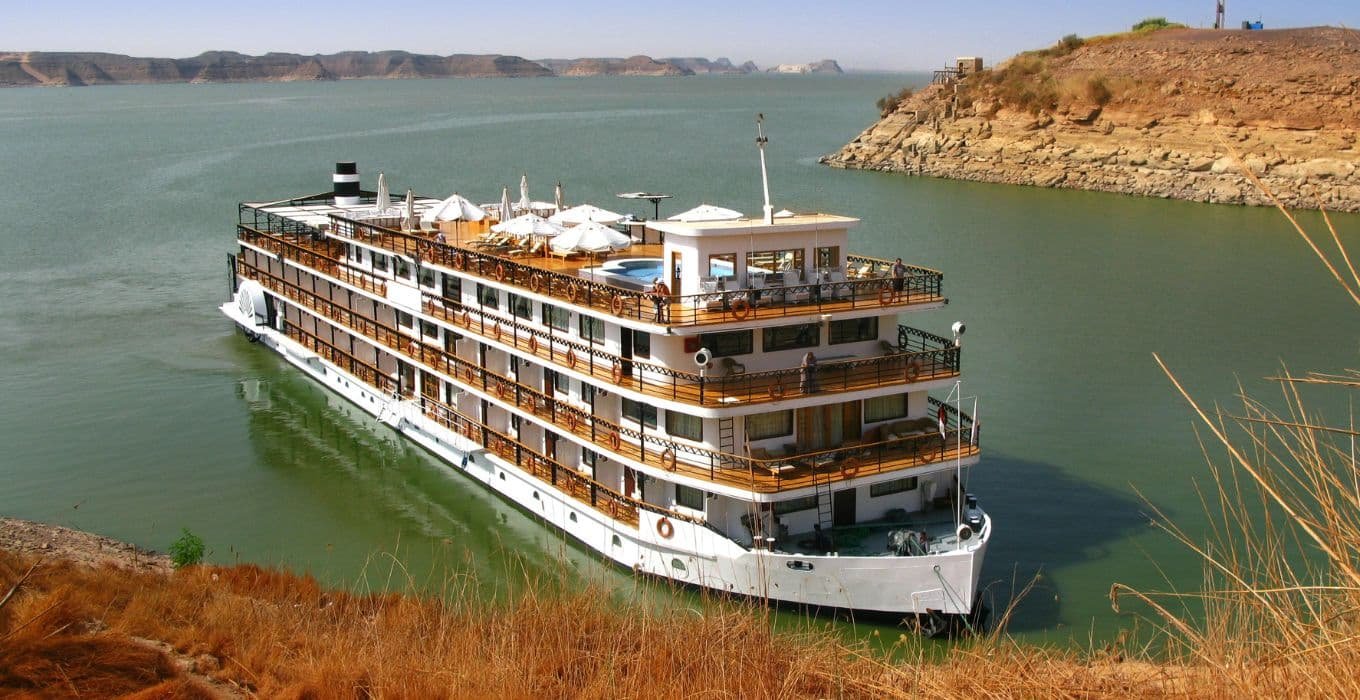
Lake Nasser offers a hushed, wide-water passage where rescued temples rise from the desert like islands. These trips usually run 4–5 days and start or finish in Aswan or Abu Simbel. The pace feels exclusive and calm compared with the busy corridor.
You’ll call at Kalabsha, Amada, Wadi El Seboua, and Qasr Ibrim—sites moved during the High Dam project to save them from flooding. Guides explain the dramatic relocation work that rescued these monuments.
- Time your Abu Simbel visit for late afternoon light and quieter crowds.
- Expect fewer departures and higher rates than standard sailings.
- Plan transfers carefully between Aswan and embarkation points; logistics matter.
Many travelers pair a corridor cruise with a Lake Nasser extension for contrast. Nights on deck offer wide skies and excellent stargazing between stops.
| Feature | Typical length | Key stops | Why choose it |
| Quiet sailing | 4–5 days | Kalabsha, Amada | Less crowded, scenic sunsets |
| Rescued temples | Included | Wadi El Seboua, Qasr Ibrim | Unique history after High Dam |
| Iconic end | Option | Abu Simbel | Late-afternoon visit, sound-and-light options |
Off-the-beaten-track gems to add to your route
Small shifts in your plan can add striking, little-visited ruins and local experiences to your trip. Consider a day tour to Dendara for its Hathor-head columns and the rare rooftop and crypt access that many visitors miss.
Esna’s Temple of Khnum shows vivid ceiling colors after recent restoration, but not all vessels can dock there. Dahabiyas often start near Esna, so look for those options if you want close access.
A road tour to Abydos rewards you with Seti I’s high-relief art and the famous kings’ list corridor. Beni Hasan, farther north, displays Middle Kingdom tomb paintings of athletic feats and daily life—best for longer itineraries or a custom road day.
- Pick operators that list specific add-ons so you can confirm availability before booking.
- Seek dahabiya or small-boat tours for village visits, swim stops, and quieter days along the nile.
- Add a felucca sail near Aswan for a back-to-basics hour or afternoon on the water.
| Site | Best access | Why add it |
| Dendara | Day trip from Luxor | Restored colors, Hathor capitals, rooftop views |
| Esna (Khnum) | Small-boat or dahabiya | Jaw-dropping ceiling colors; limited docking |
| Beni Hasan / Abydos | Road day or long itinerary | Middle Kingdom art; Seti I reliefs and king’s list |
Balance these extras with your core must-sees and total days available. Use operator schedules to lock in which tours align with your boarding dates before you commit.
Boat types explained: Nile cruisers, dahabiyas, and feluccas
Deciding between a large ship, a quiet dahabiya, or a wind-driven felucca shapes nearly every part of your trip. Big ships carry 30–100 passengers and often include rooftop pools, gyms, and spas. Top-tier operators such as Oberoi, Viking, and Uniworld deliver resort-style service and broad views from large sun decks.
Dahabiyas host about 10–15 guests and use sail power with tug support when needed. They usually run Esna→Aswan because locks affect timing. Expect flexible stops at villages, swim sites, and relaxed days close to the water—Nour El Nil is a noted example.
Feluccas offer open-deck sailing for short sunset trips or overnight, camping-style outings. They have basic facilities and depend on wind conditions; captains often cook simple meals. Typical legs run near Aswan toward Kom Ombo when winds allow.
- Compare amenity levels: pools and multiple lounges versus intimate deck life.
- Choose based on desired comfort, spontaneous stops, and how close you want to sit to the river.
- Consider mixing options: a classic ship for most nights plus an overnight felucca.
| Type | Capacity | Comfort | Best for |
| Large cruiser | 30–100 | High (AC, en-suites, spa) | Relaxed resort feel |
| Dahabiya | ~15 | Medium (en-suites, smaller scale) | Quiet stops, flexible schedule |
| Felucca | Small | Basic (no cabins) | Short sails, stargazing nights |
Luxury Nile River Cruises: Ships that elevate the journey
High-end vessels blend roomy suites, curated shore tours, and spa spaces for a restful, cultured trip. If you choose a premium line such as Oberoi Zahra or Sonesta Moon Goddess, expect private guiding, larger cabins, and refined dining that spotlights local ingredients.
Smaller luxury names—Mayfair, Blue Shadow, Le Fayan, and Sanctuary Sun Boat III—focus on calm onboard ambiance and personalized service. You’ll find options with butler service, included beverages, or specialty shore excursions if that suits your travel style.
- Suite size and balcony access often define true five-star comfort.
- Private-guided tours mean fewer crowds and deeper temple time.
- Dining ranges from Egyptian tasting menus to candlelit deck dinners.
| Ship | Suite size | Private guide | Wellness focus |
| Oberoi Zahra / Philae | Large suites | Yes | Spa, treatments |
| Sonesta Star Goddess | Suite concept | Often | Fitness, pool |
| MS Farah / Movenpick Lily | Varied cabins | Available | Wellness & dining |
Decide whether to upgrade for butler service or special excursions, and time bookings for peak-season availability and holiday surcharges. The best nile luxury picks match your pace, not just the star rating.
Best time, seasons, and schedules for U.S. travelers
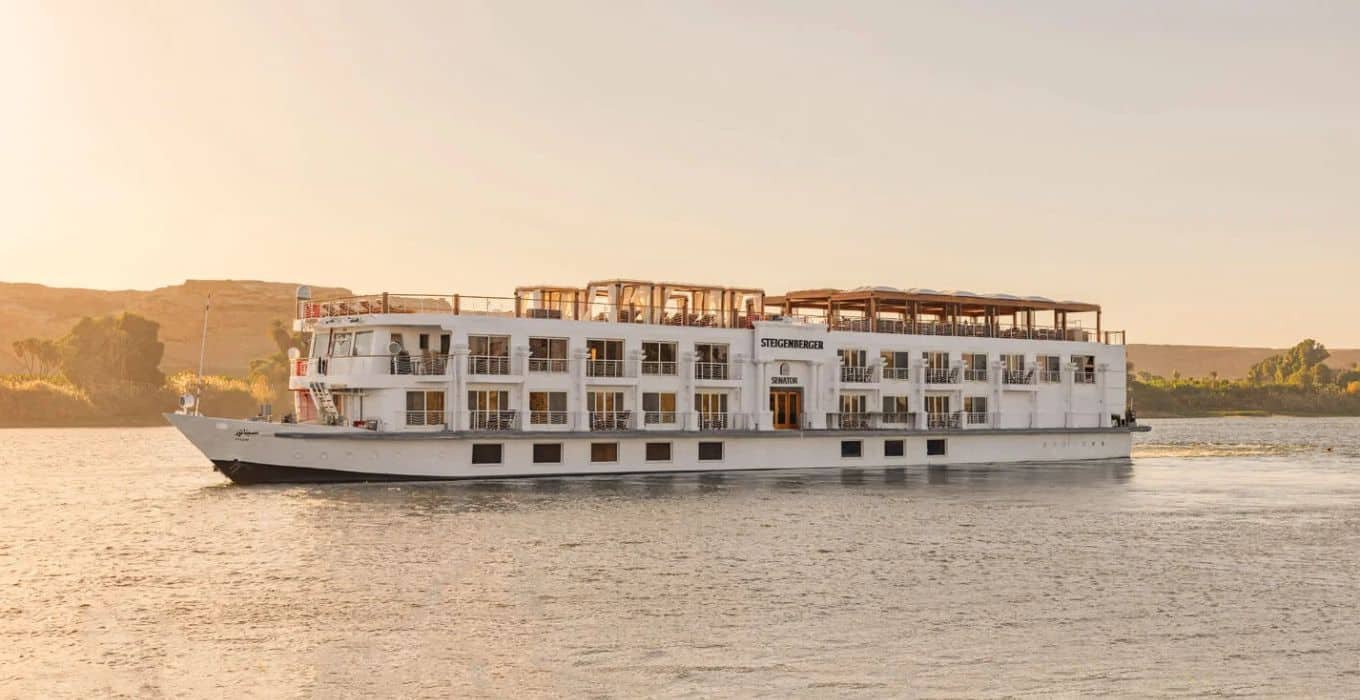
Plan your visit in the cooler months—October through April offers the most comfortable weather and clearer sightlines at the temples. Peak demand runs December–February, so book early if you want holiday weeks.
Many U.S.-facing operators publish fixed weekly sailings (Saturdays/Mondays or Wednesdays/Fridays). Match your flight schedule to the operator’s published days to cut layover time and simplify transfers.
Safety standards are consistent across reputable lines, and most vessels offer Wi‑Fi. Still, pack offline maps and a few downloads for long deck hours.
- Book guided tours with an onboard Egyptologist for deeper context and faster shore movement.
- Packing essentials: light layers, sunscreen, a wide-brim hat, sturdy shoes, and a light jacket for cool nights.
- Add a Cairo night before flying south to help with jet lag and missed connections.
- Reconfirm your schedule 1–2 weeks before departure—seasonal adjustments do happen.
| When | Why | Tip |
| Oct–Apr | Best weather | Book early for winter weeks |
| Dec–Feb | Peak crowds | Expect higher rates, busy tours |
| Year-round | Regular departures | Check operator schedule for exact days |
What it costs and what’s included: nights, ships, and value
Expect clear price bands that line up with how many nights you book and the style of ship you choose. Standard 3/4/7-night sailings typically run about $450–$750. High-end fares range $790–$1,299. Private dahabiya charters start near $1,399 and can reach $3,275 depending on dates and negotiation.
Most fares include full-board meals, guided tours, transfers, and evening entertainment. You’ll also find common facilities such as a sun deck pool, lounge bar, restaurant, spa, and gym on many vessels.
- Know where extras apply: Abu Simbel add-ons, specialty drinks, tips, and select tomb tickets usually cost extra.
- Compare cabin categories — a mid-deck room differs from a suite with balcony in space and privacy.
- Value depends on guide quality, group size, and included transfers.
| Tier | Price range (USD) | Typical inclusions |
| Standard | $450–$750 | Meals, basic guided tours, transfers |
| Luxury | $790–$1,299 | Upgraded cabins, private guiding options, wellness facilities |
| Private dahabiya | $1,399–$3,275 | Private crew, flexible itinerary, small-group touring |
Check cancellation terms, seasonal surcharges, and promos before you book. Align your nights and days with your budget and negotiate when possible for better value.
Top Nile Cruise Routes: From Luxor to Aswan and Beyond
Start by choosing how many nights you can spare—three, four, or seven will shape how much you see and how relaxed your days feel. Your choice sets the rhythm of the river cruise and the balance between guided tours and deck downtime.
Anchor your plan around must-see sites: Valley of the Kings, Karnak, Edfu, Kom Ombo, Philae, plus Aswan highlights like the High Dam and the Unfinished Obelisk. Slot Abu Simbel as an Aswan-side excursion if it’s nonnegotiable for your trip.
- Pick 3 nights for a brisk Aswan→Luxor run with key temples and tombs.
- Choose 4 nights for a gentler Luxor→Aswan pacing with extra sailing time.
- Opt for 7 nights to add deeper history, long golden-hour views, and more onboard comfort.
- Compare direction (Aswan Luxor vs Luxor Aswan) for light and arrival timing.
- Confirm weekly itineraries and included tours before booking flights.
| Length | Focus | Why choose it |
| 3 nights | Essentials: Philae, Kom Ombo, Edfu, Luxor banks | Time-efficient; good for short travel windows |
| 4 nights | More sailing, relaxed temple visits | Better balance of tours and deck time |
| 7 nights | Deeper history, added downtime | Best for photography, lectures, and comfort |
Conclusion
Finish your planning by picking the days and the ship that match your pace. Match 3, 4, or 7 nights to how many guided tours you want, then shortlist operators for the comfort and views between temple calls.
Decide whether Kom Ombo at sunset or Abu Simbel at day’s end is a must-see. Build the Valley Kings visit into your schedule and confirm seasonal departures so logistics are clear.
Check inclusions, add a Cairo night if you want pyramids, and pack sun protection plus layers for cool evenings. Do this and you’ll head into the river with confidence, ready for the history, the wonders, and a relaxed, memorable journey.